See what’s includedHide breakdown
- FOB goods (100)
- $60,000
- Ocean freight + handling (5.0 CBM, volume guessed from price)
- $1,300
- US duty (3.5%)
- $2,100
- Section 301 tariff (25.0%)
- $15,000
- Customs fees (MPF/HMF)
- $283
Estimate in USD to a US port using category averages, rates as of 2026-09. Other countries on request. A quote from your agent uses real carton sizes, freight and the exact tariff line.
- FOB goods (100)
- $60,000
- Ocean freight + handling (5.0 CBM, volume guessed from price)
- $1,300
- US duty (3.5%)
- $2,100
- Section 301 tariff (25.0%)
- $15,000
- Customs fees (MPF/HMF)
- $283
Estimate in USD to a US port using category averages, rates as of 2026-09. Other countries on request. A quote from your agent uses real carton sizes, freight and the exact tariff line.
Free quotes from independent agents · supplier checks approx. $5–$100 · 100% refund if not satisfied
See what’s includedHide breakdown
- FOB goods (100)
- $60,000
- Ocean freight + handling (5.0 CBM, volume guessed from price)
- $1,300
- US duty (3.5%)
- $2,100
- Section 301 tariff (25.0%)
- $15,000
- Customs fees (MPF/HMF)
- $283
Estimate in USD to a US port using category averages, rates as of 2026-09. Other countries on request. A quote from your agent uses real carton sizes, freight and the exact tariff line.
- FOB goods (100)
- $60,000
- Ocean freight + handling (5.0 CBM, volume guessed from price)
- $1,300
- US duty (3.5%)
- $2,100
- Section 301 tariff (25.0%)
- $15,000
- Customs fees (MPF/HMF)
- $283
Estimate in USD to a US port using category averages, rates as of 2026-09. Other countries on request. A quote from your agent uses real carton sizes, freight and the exact tariff line.
Free quotes from independent agents · supplier checks approx. $5–$100 · 100% refund if not satisfied
About this product
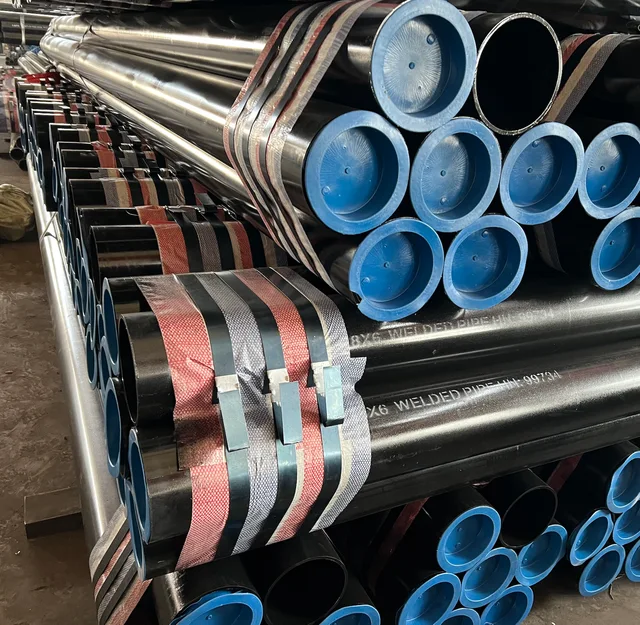
- Size: 1/2"-20"
- Color: STEEL
- Exports to: Africa, Southeast Asia, South Asia, USA and Canada, Latin America, Russia, Other European Countries
About this product
- Size: 1/2"-20"
- Color: STEEL
- Exports to: Africa, Southeast Asia, South Asia, USA and Canada, Latin America, Russia, Other European Countries
Product details
| Size | 1/2"-20" |
|---|---|
| Color | STEEL |
Product details
| Size | 1/2"-20" |
|---|---|
| Color | STEEL |
From the supplier
1.A roller shaft is a cylindrical key component used for transmission, conveyance, or support in industrial equipment. It typically consists of a shaft body, a roller sleeve (included in some structures), and connecting/support structures at both ends (e.g., bearing seats, keyways, threads). Its core functions include driving materials to move via its own rotation (e.g., roller shafts on conveyor belts) and transmitting torque to enable mechanical operation (e.g., drive roller shafts in machine tools). The material of the shaft body is selected based on application scenarios: common options include 45# steel, stainless steel (for rust prevention needs), and alloy steel (for high-strength requirements). In some special cases, ceramic or polymer materials are also adopted to meet demands for wear resistance, corrosion resistance, or lightweight design.
2. The performance of a roller shaft directly relies on the precise design of technical parameters. First, the diameter and length must match the load capacity and conveyance/transmission requirements of the equipment—for instance, the diameter of roller shafts for heavy-duty conveyor lines is usually over 50mm, while those used in lightweight electronic devices may be only a few millimeters. Second, coaxiality and circular runout are core precision indicators, generally requiring control within the range of 0.01-0.05mm; otherwise, it may lead to increased vibration and noise during operation, and even accelerate component wear. Additionally, surface treatment processes (e.g., chrome plating, quenching, spray coating with wear-resistant layers) significantly impact its service life. For example, quenching can increase the surface hardness of the shaft body to above HRC50, making it suitable for high-friction working conditions.
From the supplier
1.A roller shaft is a cylindrical key component used for transmission, conveyance, or support in industrial equipment. It typically consists of a shaft body, a roller sleeve (included in some structures), and connecting/support structures at both ends (e.g., bearing seats, keyways, threads). Its core functions include driving materials to move via its own rotation (e.g., roller shafts on conveyor belts) and transmitting torque to enable mechanical operation (e.g., drive roller shafts in machine tools). The material of the shaft body is selected based on application scenarios: common options include 45# steel, stainless steel (for rust prevention needs), and alloy steel (for high-strength requirements). In some special cases, ceramic or polymer materials are also adopted to meet demands for wear resistance, corrosion resistance, or lightweight design.
2. The performance of a roller shaft directly relies on the precise design of technical parameters. First, the diameter and length must match the load capacity and conveyance/transmission requirements of the equipment—for instance, the diameter of roller shafts for heavy-duty conveyor lines is usually over 50mm, while those used in lightweight electronic devices may be only a few millimeters. Second, coaxiality and circular runout are core precision indicators, generally requiring control within the range of 0.01-0.05mm; otherwise, it may lead to increased vibration and noise during operation, and even accelerate component wear. Additionally, surface treatment processes (e.g., chrome plating, quenching, spray coating with wear-resistant layers) significantly impact its service life. For example, quenching can increase the surface hardness of the shaft body to above HRC50, making it suitable for high-friction working conditions.
About the supplier
- ✓Foreign Trade Company
- ✓Founded 2021
Manufacturing exhibitors show in Phase 1 of the Canton Fair, 15 to 19 October 2026.
- Foreign Trade Company
- Founded 2021
More from Coral Technology (Tianjin) Co., Ltd



Similar products from other suppliers