HY INDUSTRIES Dry Electrode Manufacturing High-Speed Powder Mixer Used for solid state battery
SUMEC INTERNATIONAL TECHNOLOGY CO.,LTD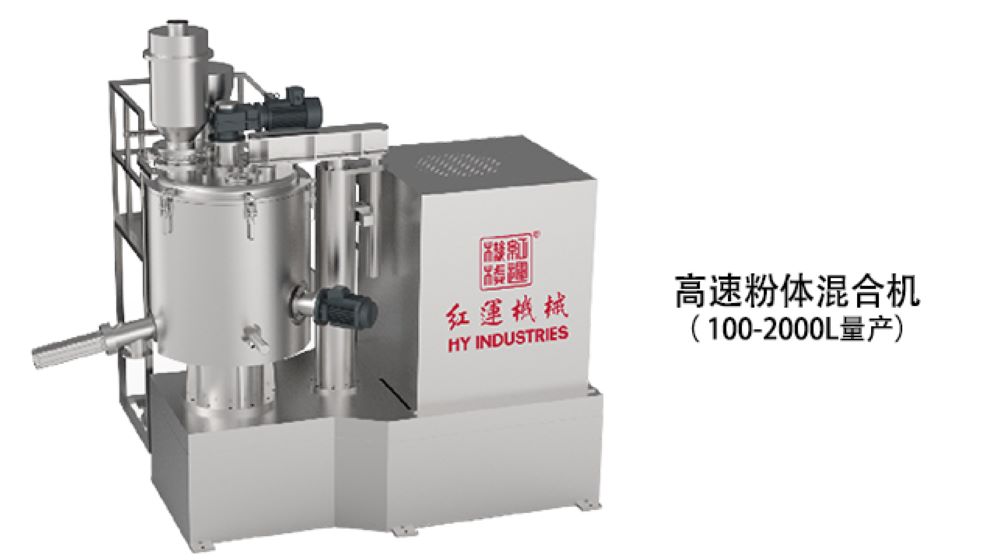
The supplier hasn’t listed a price. We can get their current prices and MOQ.
Verify from $29 · written report in 3 business days · 100% refund if unreachable
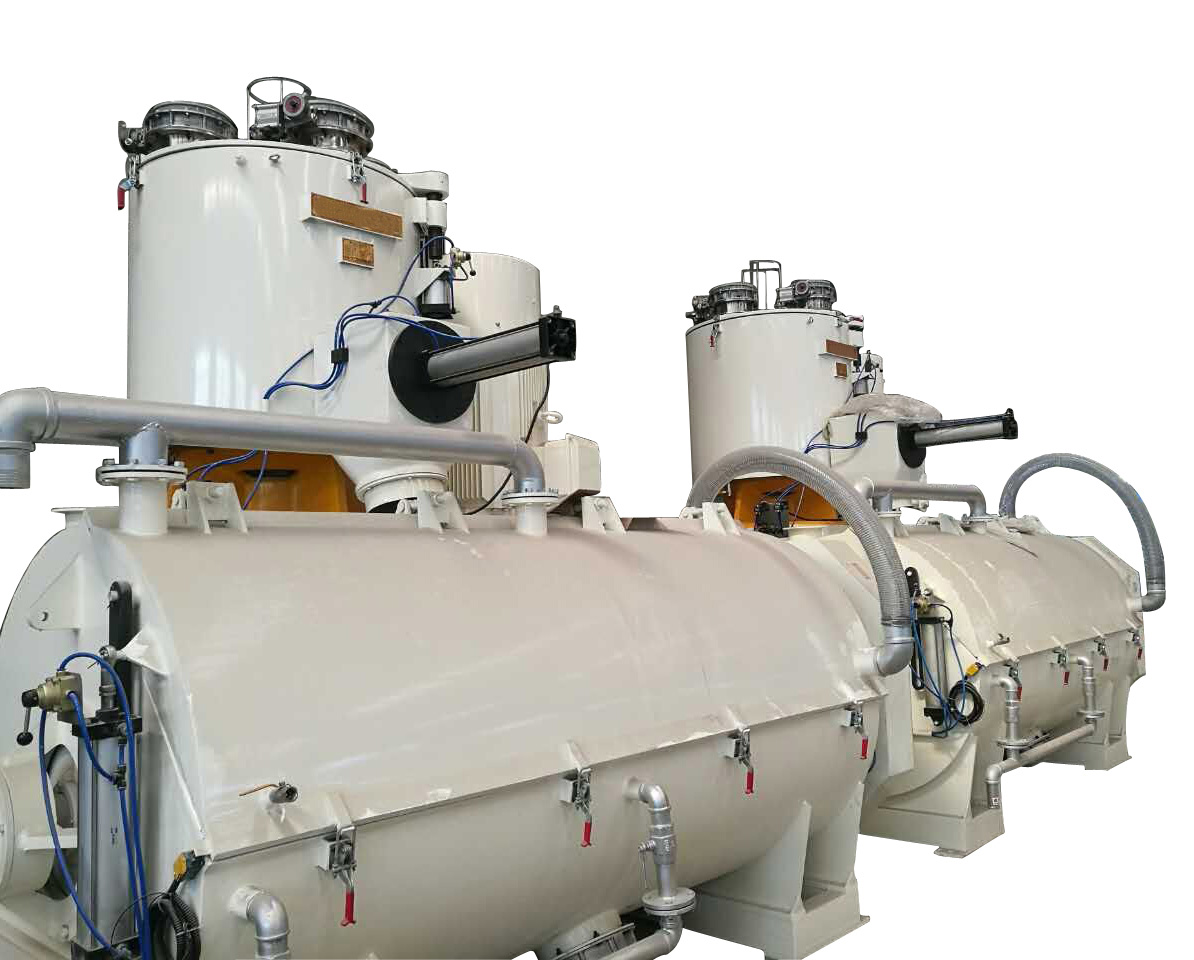
HY INDUSTRIES Dry Electrode Manufacturing High-Speed Powder Mixer Used for solid state battery
SUMEC INTERNATIONAL TECHNOLOGY CO.,LTDThe supplier hasn’t listed a price. We can get their current prices and MOQ.
Verify from $29 · written report in 3 business days · 100% refund if unreachable
About this product
- Size: ·
- Color: ·
- Exports to: Mainland China, Africa, Middle East, Southeast Asia, South Asia, Central Asia, USA and Canada, Latin America
About this product
- Size: ·
- Color: ·
- Exports to: Mainland China, Africa, Middle East, Southeast Asia, South Asia, Central Asia, USA and Canada, Latin America
Product details
| Size | · |
|---|---|
| Color | · |
Product details
| Size | · |
|---|---|
| Color | · |
From the supplier
The dry electrode process relies on the binder’s fiberization effect to bond the active material. After mixing the powder materials, high-shear mixing is applied to fiberize the binder particles, forming a self-supporting film. This film is then roll-pressed with the current collector to produce the electrode.
Dry Electrode Process Flow:
- Dry Mixing: Mix active material, conductive particles, and binder to obtain a dry powder mixture.
- Fiberization: Without using solvents or additives, fiberize the dry powder mixture to form a self-supporting dry film with sufficient physical and electrical properties.
- Self-Supporting Film: Calender the fiberized mixture to produce the self-supporting film.
- Dry Electrode: Roll-press and bond the self-supporting film onto the current collector to form the dry electrode sheet.
Advantages:
- Linear speed 0–100 m/s, suitable for fiberizing various powders.
- Applicable to the preparation of various electrolyte products.
- Zoned temperature control for mixing, transmission, and power sections.
- Precise temperature control from –20°C to 200°C tailored to materials.
- Axial and radial three-motor coordination for enhanced dispersion. Equipped with a dead-zone-free scraping system to prevent material sticking.
- Compatible with various customized paddles and supports quick paddle changes. Residual material ≤ 0.5%.
- Capable of continuous high-speed mixing.
From the supplier
The dry electrode process relies on the binder’s fiberization effect to bond the active material. After mixing the powder materials, high-shear mixing is applied to fiberize the binder particles, forming a self-supporting film. This film is then roll-pressed with the current collector to produce the electrode.
Dry Electrode Process Flow:
- Dry Mixing: Mix active material, conductive particles, and binder to obtain a dry powder mixture.
- Fiberization: Without using solvents or additives, fiberize the dry powder mixture to form a self-supporting dry film with sufficient physical and electrical properties.
- Self-Supporting Film: Calender the fiberized mixture to produce the self-supporting film.
- Dry Electrode: Roll-press and bond the self-supporting film onto the current collector to form the dry electrode sheet.
Advantages:
- Linear speed 0–100 m/s, suitable for fiberizing various powders.
- Applicable to the preparation of various electrolyte products.
- Zoned temperature control for mixing, transmission, and power sections.
- Precise temperature control from –20°C to 200°C tailored to materials.
- Axial and radial three-motor coordination for enhanced dispersion. Equipped with a dead-zone-free scraping system to prevent material sticking.
- Compatible with various customized paddles and supports quick paddle changes. Residual material ≤ 0.5%.
- Capable of continuous high-speed mixing.
About the supplier
- ✓Exhibited at 2 recent Canton Fairs
- ✓Foreign Trade Company
- ✓Founded 1999
- ✓1 certificate on file
- Exhibited at 2 recent Canton Fairs
- Foreign Trade Company
- Founded 1999
- 1 certificate on file
Similar products from other suppliers