Beer can filling and sealing machine
Zhejiang Weichi Light Industry Machinery Co., Ltd.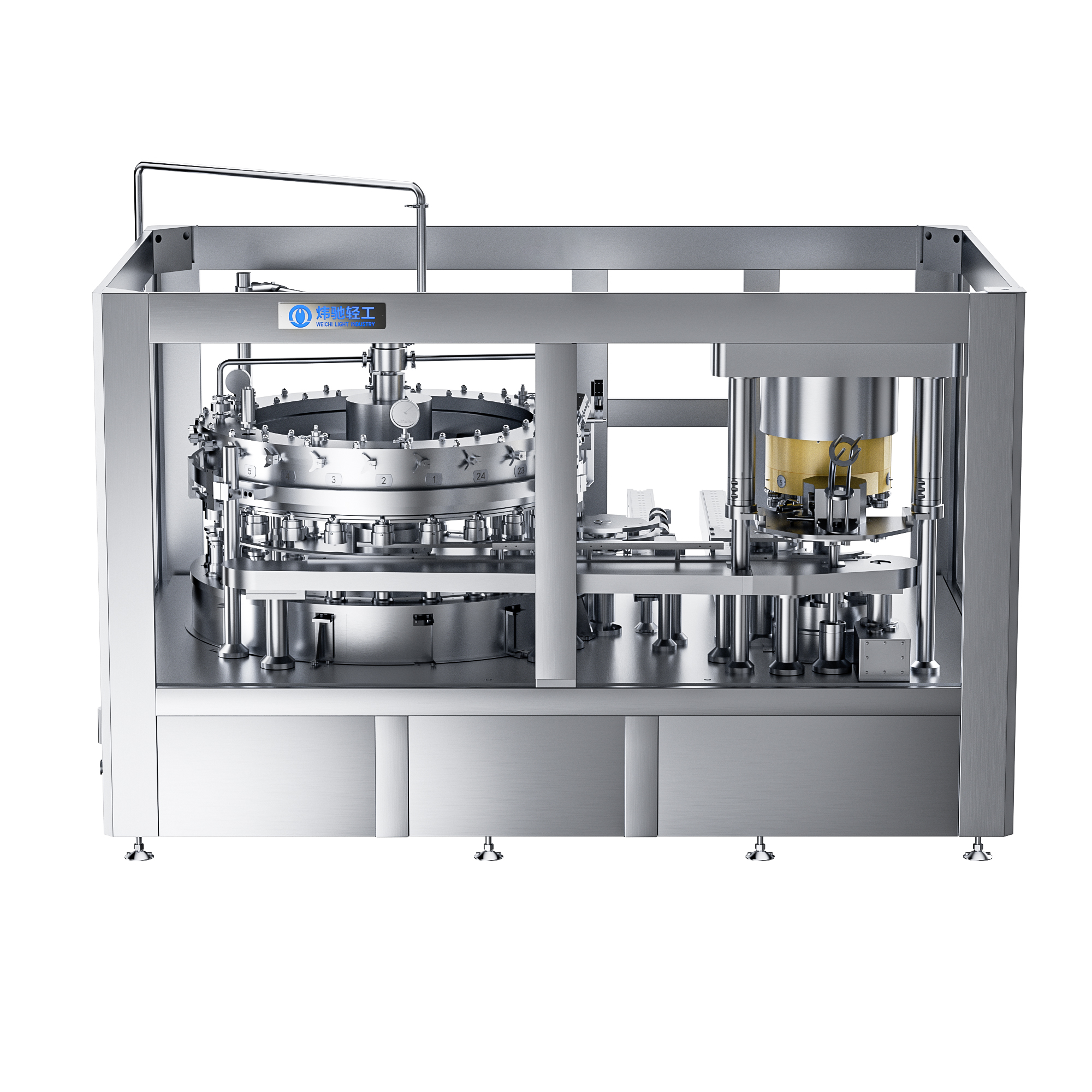
The supplier hasn’t listed a price. We can get their current prices and MOQ.
Verify from $29 · written report in 3 business days · 100% refund if not satisfied
Beer can filling and sealing machine
Zhejiang Weichi Light Industry Machinery Co., Ltd.The supplier hasn’t listed a price. We can get their current prices and MOQ.
Verify from $29 · written report in 3 business days · 100% refund if not satisfied
About this product
- Size: 3350×2150×2100mm
- Color: silver
- Machining: CNC Machining
- Standard: GB
- Surface treatment: Other
- Forging tolerance: +/-0.2mm
- Exports to: Mainland China, Middle East, South Asia, Central Asia, Russia
About this product
- Size: 3350×2150×2100mm
- Color: silver
- Machining: CNC Machining
- Standard: GB
- Surface treatment: Other
- Forging tolerance: +/-0.2mm
- Exports to: Mainland China, Middle East, South Asia, Central Asia, Russia
Product details
| Size | 3350×2150×2100mm |
|---|---|
| Color | silver |
| Machining | CNC Machining |
| Standard | GB |
| Surface treatment | Other |
| Forging tolerance | +/-0.2mm |
| Application | Other |
Product details
| Size | 3350×2150×2100mm |
|---|---|
| Color | silver |
| Machining | CNC Machining |
| Standard | GB |
| Surface treatment | Other |
| Forging tolerance | +/-0.2mm |
| Application | Other |
From the supplier
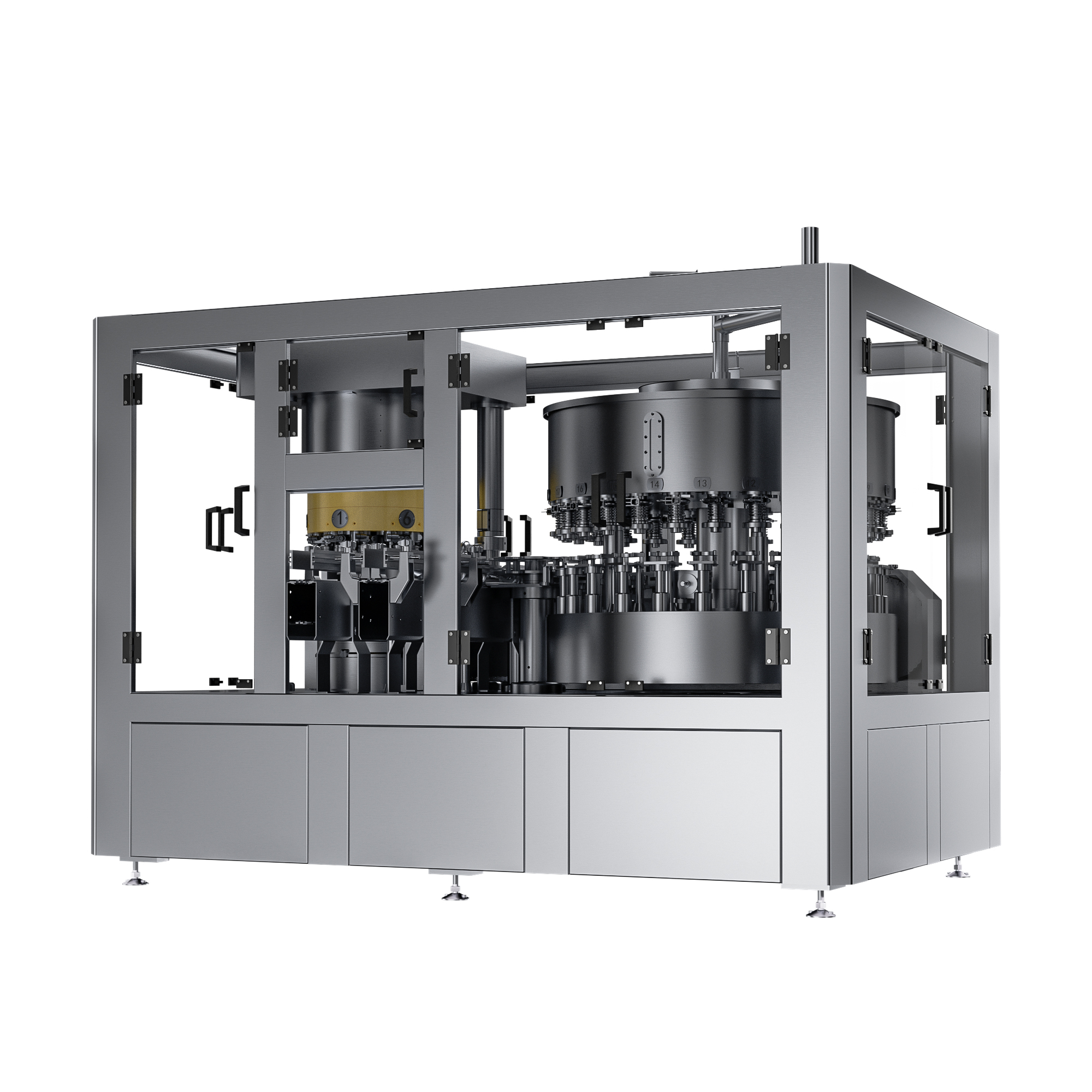
This machine is designed for carbonated beverages and beer that use tinplate cans (also known as tin cans) for packaging. After filling these beverages, the machine seals the cans. It has a production capacity of 80 to 200 cans per minute, making it the preferred choice for carbonated beverage factories of a certain size.
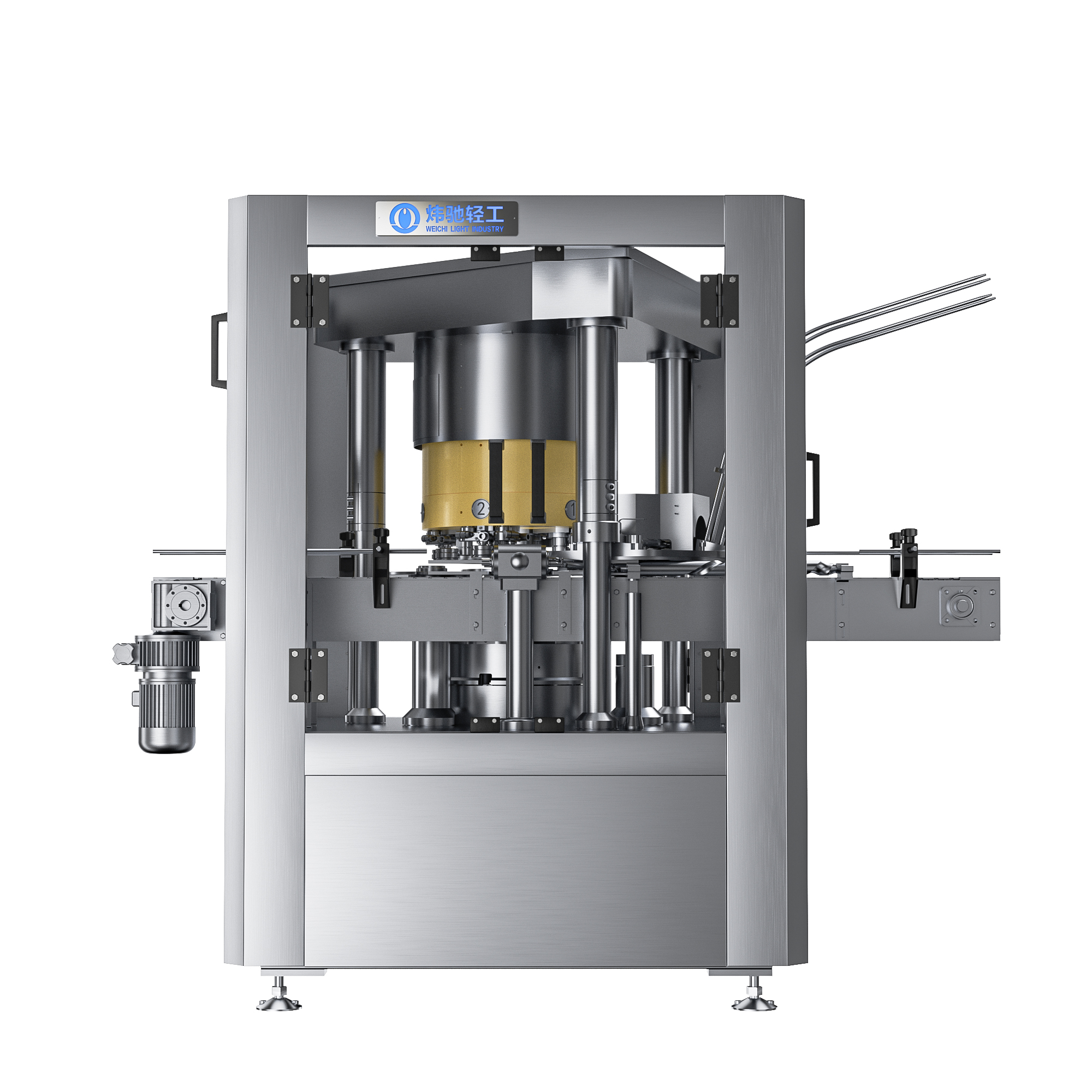
The machine comprises two main stations: filling and can sealing. The filling process uses an isobaric filling method and controls the liquid level based on the principle of constant liquid surface filling. It is suitable for cold temperature filling. The sealing process employs a double-roller, progressive, secondary sealing method.
Equipment Principle:
1. Empty cans are fed onto a pneumatic can holder driven by a dial plate. The filling valve's rotating block, under the action of the first cylinder, rotates to open the valve, allowing CO2 gas to fill the empty can for pre-charging, equipped with a pre-exhaust device.
2. Compressed air enters the can-lifting cylinder through a pneumatic triplet, and under the action of the can-lifting cam, raises the empty can to seal it against the conical seal pad under the filling valve.
3. The rotating block of the filling valve, under the action of the second cylinder, rotates to open the valve, charging the empty can with gas to create equal pressure. The filling valve opens, allowing the carbonated beverage to flow from the main material tank through the filling valve into the empty can. Filling stops when the liquid level rises to block the return air port.
4. The rotating block of the filling valve closes the valve under the action of the closing cam.
5. The foam discharge valve begins to slowly release pressure under the action of the foam discharge cam.
6. The can-lifting cylinder continues to lower, and after the can is filled, it is transported by a synchronously moving hook chain to the sealing machine for sealing.
7. During sealing, the sealing wheel pre-seals then firmly seals the can. Once sealed, the can is pushed out by the capping mechanism, then directed by a dial plate onto a conveyor belt for dispatch.
Equipment Features:
1. The sealer head adopts a dual-axis structure, allowing the feed amount of the first and second rolling wheels to be individually adjusted and controlled.
2. Secondary exhaust structure of the filling machine: The filling machine's secondary exhaust reduces the oxygen content inside the can, extending the product's shelf life.
3. The assembly of the whole machine frequently utilizes heavy-duty bearings; key load-bearing parts use imported bearings, enhancing the equipment's service life and stability.
4. High-quality components: Utilizes Siemens PLCs, Delta frequency converters, Xinje touch screens, Airtac solenoid valves, and Omron proximity switches, among other premium configurations.
5. Convenient operation: Production speed can be set on the touch screen as required. All common faults trigger automatic alarms, providing the corresponding fault location and reason. Depending on the severity of the fault, the PLC automatically decides whether the main engine can continue running or needs to shut down.
6. This machine boasts an attractive appearance, stable operation, low noise, and is currently the most ideal can filling and sealing equipment in China.
Main Technical Parameters:
• Number of Sealing Heads: 4
• Number of Filling Heads: 24
• Production Capacity: 50-200 cans/min (depends on filling volume)
• Applicable Can Diameter: Φ52.5-65.3mm
• Applicable Can Height: 122-160mm (other heights can be customized)
• Power: 5.5kw
• Weight: 7100kg
• Dimensions: 3350×2150×2100mm
From the supplier
This machine is designed for carbonated beverages and beer that use tinplate cans (also known as tin cans) for packaging. After filling these beverages, the machine seals the cans. It has a production capacity of 80 to 200 cans per minute, making it the preferred choice for carbonated beverage factories of a certain size.
The machine comprises two main stations: filling and can sealing. The filling process uses an isobaric filling method and controls the liquid level based on the principle of constant liquid surface filling. It is suitable for cold temperature filling. The sealing process employs a double-roller, progressive, secondary sealing method.
Equipment Principle:
1. Empty cans are fed onto a pneumatic can holder driven by a dial plate. The filling valve's rotating block, under the action of the first cylinder, rotates to open the valve, allowing CO2 gas to fill the empty can for pre-charging, equipped with a pre-exhaust device.
2. Compressed air enters the can-lifting cylinder through a pneumatic triplet, and under the action of the can-lifting cam, raises the empty can to seal it against the conical seal pad under the filling valve.
3. The rotating block of the filling valve, under the action of the second cylinder, rotates to open the valve, charging the empty can with gas to create equal pressure. The filling valve opens, allowing the carbonated beverage to flow from the main material tank through the filling valve into the empty can. Filling stops when the liquid level rises to block the return air port.
4. The rotating block of the filling valve closes the valve under the action of the closing cam.
5. The foam discharge valve begins to slowly release pressure under the action of the foam discharge cam.
6. The can-lifting cylinder continues to lower, and after the can is filled, it is transported by a synchronously moving hook chain to the sealing machine for sealing.
7. During sealing, the sealing wheel pre-seals then firmly seals the can. Once sealed, the can is pushed out by the capping mechanism, then directed by a dial plate onto a conveyor belt for dispatch.
Equipment Features:
1. The sealer head adopts a dual-axis structure, allowing the feed amount of the first and second rolling wheels to be individually adjusted and controlled.
2. Secondary exhaust structure of the filling machine: The filling machine's secondary exhaust reduces the oxygen content inside the can, extending the product's shelf life.
3. The assembly of the whole machine frequently utilizes heavy-duty bearings; key load-bearing parts use imported bearings, enhancing the equipment's service life and stability.
4. High-quality components: Utilizes Siemens PLCs, Delta frequency converters, Xinje touch screens, Airtac solenoid valves, and Omron proximity switches, among other premium configurations.
5. Convenient operation: Production speed can be set on the touch screen as required. All common faults trigger automatic alarms, providing the corresponding fault location and reason. Depending on the severity of the fault, the PLC automatically decides whether the main engine can continue running or needs to shut down.
6. This machine boasts an attractive appearance, stable operation, low noise, and is currently the most ideal can filling and sealing equipment in China.
Main Technical Parameters:
• Number of Sealing Heads: 4
• Number of Filling Heads: 24
• Production Capacity: 50-200 cans/min (depends on filling volume)
• Applicable Can Diameter: Φ52.5-65.3mm
• Applicable Can Height: 122-160mm (other heights can be customized)
• Power: 5.5kw
• Weight: 7100kg
• Dimensions: 3350×2150×2100mm
About the supplier
- ✓Exhibited at 3 recent Canton Fairs
- ✓Industry and Trade Company
- ✓Founded 1993
- ✓Canton Fair Premium Supplier
- ✓National high-tech enterprise
Manufacturing exhibitors show in Phase 1 of the Canton Fair, 15 to 19 October 2026.
- Exhibited at 3 recent Canton Fairs
- Industry and Trade Company
- Founded 1993
- Canton Fair Premium Supplier
More from Zhejiang Weichi Light Industry Machinery Co., Ltd.
Similar products from other suppliers