4A Zeolite Sodium Aluminosilicate Technical Grade, as a Water Softener for Phosphorus-free Washing Powder
WENZHOU JIAYONG TRADE CO.,LTD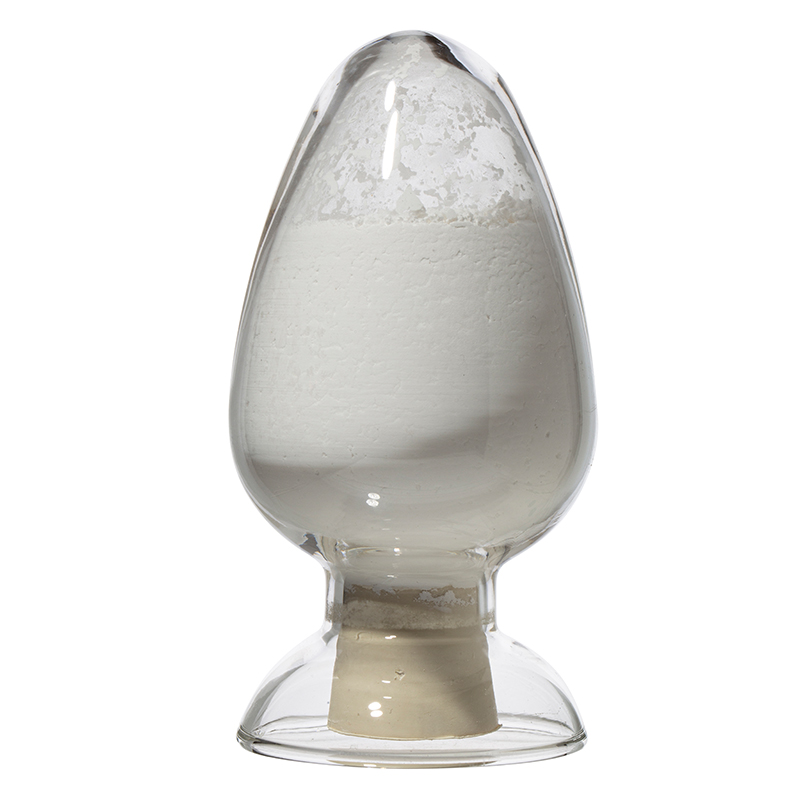
The supplier hasn’t listed a price. We can get their current prices and MOQ.
Verify from $29 · written report in 3 business days · 100% refund if not satisfied
4A Zeolite Sodium Aluminosilicate Technical Grade, as a Water Softener for Phosphorus-free Washing Powder
WENZHOU JIAYONG TRADE CO.,LTDThe supplier hasn’t listed a price. We can get their current prices and MOQ.
Verify from $29 · written report in 3 business days · 100% refund if not satisfied
About this product
- Size: 0.002-0.006 Particle size D50
- Color: White
- Exports to: Africa, Middle East, Southeast Asia, South Asia, Central Asia, USA and Canada, Latin America, Russia, Other European Countries, Japan and South Korea, Hong Kong China, Macao China and Taiwan China, Others
- Made in: Tianjin, China
About this product
- Size: 0.002-0.006 Particle size D50
- Color: White
- Exports to: Africa, Middle East, Southeast Asia, South Asia, Central Asia, USA and Canada, Latin America, Russia, Other European Countries, Japan and South Korea, Hong Kong China, Macao China and Taiwan China, Others
- Made in: Tianjin, China
Product details
| Size | 0.002-0.006 Particle size D50 |
|---|---|
| Color | White |
Product details
| Size | 0.002-0.006 Particle size D50 |
|---|---|
| Color | White |
From the supplier
General Information:
Chemical name: Sodium Aluminosilicate (4A Zeolite)
CAS No.: 1318-02-1
Molecular formula: Na96{(AlO2)96*(SiO2)96 }*216H2O
Standard Executed: QB/T 1768-2003
Packaging: in 40KG/650KG PP woven bag with PE liner
Technical specification
Items
Standards
Ca ion exchange capacity(dry), mgCaCO3/g
≥310
pH value
≤11
Ignition loss (800℃, 60 minutes) %
≤22
Al3﹢content , %
≥18
Whiteness , %
≥95
Density , g/cm3
0.38-0.45
Particle size D50, μm
2-6
Angle of repose °
62-64
325 mesh sieve residue (wet sieve) > 45μm, %
≤1.0
Melting point
>1600 °C ( 2,912 °F, 1,873.15 °K)
Classification
Inorganic compound, Builder
Solubility
Insoluble in water
Sensitivity
Hygroscopic
Storage
Dry, tight-closed, at a regular temperature
Shelf life/Retest
24 months
Appearance
White powder
Description
Aluminosilicates can be obtained directly from the aluminosilicate rocks or manufactured as synthetic materials. Natural aluminosilicate powders used in investment casting are supplied with diverse Al2O3 content. Malachite, for instance, ranges in 42–47% compared to 60% in Remasill or Mulgrain 60%. The content of Al2O3 in the powder determines its resistance to heat—the higher, the better.
Typical contaminants in aluminosilicate powder are Fe2O3, TiO2, and ZrO2, with a very small content of CaO, MgO, K2O, P2O5, and Cr2O3.
An important advantage of aluminosilicate powders is their availability and affordability.
Zeolite is a member of a group of hydrated aluminosilicate minerals. They appear in nature; however, they’re also manufactured for their ion-exchange and selective-absorption properties. Due to the open crystal structure, zeolites can be used as molecular sieves. Recently, such use of synthetic zeolites has become significant in the separation of organic compounds or as catalysts in petroleum refining.
A natural or synthetic zeolite features a three-dimensional crystal structure, in which water molecules are held in cavities of the lattice. If the water content is eliminated by heating, it makes space for zeolite to incorporate other molecules of suitable size. Selective absorption makes zeolites valuable agents in separating mixtures. They are also used in pumps for vacuum systems, while certain types are useful in ion-exchange processes like water-softening.
A similar alkali aluminosilicate is prepared artificially using sodium as the alkali metal. One process requires adding aluminum sulfate to soluble silicate solutions. The other is based on a combination of sodium aluminate with sodium silicate. In the presence of calcium, iron, and other cations, the sodium ion is substituted with a heavier metal ion. This method is successful for removing metal ions from solutions, in processes such as softening hard water. The permutite or artificial zeolite can be regenerated through treatment with a strong sodium chloride solution that will lead to replacing the calcium or iron by sodium.
4A Zeolite is a hydrated silicate of aluminum and either sodium or calcium—or both. Zeolite in its natural or artificial form has an extensive application in water softening, as a detergent builder, and a cracking catalyst. The sodium or potassium compounds are required for the former purpose since their usefulness depends on the cationic exchange. When the zeolite has become saturated with calcium or magnesium ion, it gets flooded with a strong salt solution. After a reverse exchange of cations takes place, the material is regenerated.
Stability/Shelf life
Chemically stable in basic, neutral, and mild acidic environments. Should be stored far away from water, acid, and alkali.
Recommended storage: Air isolation, tight sealing. The relative humidity should not exceed 90% of the indoor humidity.
Manufacturing
Natural zeolites are analcite, chabazite, natrolite, stilbite, heulandite, and thomsonite. Synthetic production of zeolites implies either a gel process (sodium silicate and alumina) or a clay process (kaolin). Both methods are quite complex, requiring the exchange of various rare-earth oxides. The effectiveness of zeolite depends on its pore size, which may be as small as 4A.
Industry use
The catalyst in refining petroleum, to soften water, and in detergent manufacturing.
4A Zeolite’s main usage is as an environmental-friendly replacement for STPP with similar efficiency.
Consumer use
Cleaning products, household detergents, and water treatment products.
Solubility
Insoluble in water, alcohol, and organic solvents. Partially soluble in strong acids and alkali hydroxides.
Common synonyms
Aluminosilicic Acid
Aluminum Sodium Silicate
Aluminium Sodium Salt
Sodium Silicoaluminate
Aluminosilicic Acid
Sodium Salt
Sodium Aluminium Silicate
FAQ
Q1: Can I replace Sodium tripolyphosphate (STPP) with 4A Zeolite?
A: 4A zeolite has been used as a replacement of STPP as the water softener in countries where STPP is banned or limited.
Q2: What are the advantages of 4A zeolite over STPP as the builder in detergent formulas? And disadvantages?
Advantages:
- 1.4A zeolite is phosphate-free, and environmentally friendly to surface water.
- 2.4A zeolite is relatively cheaper than STPP.
- 3.4A zeolite has high adsorptive capacity for liquid components, such as surfactants, which makes it easier to produce concentrated detergents with high active matter content (up to 25%).
Disadvantages:
- 1.In ion (Ca2+&Mg2+) exchange capacity, 4A zeolite is not as effective as STPP, approximately 50%.
- 2.Besides ion exchange, STPP also has emulsifying and dispersing ability, which increases the cleaning power of the detergents.
- 3.4A zeolite is insoluble in water. Additional dispersant must be added in the detergent formula. Usually, polymers(polyacrylate) are added along with 4A zeolite in detergents.
Q3: Can I use 4A zeolite in liquid detergents?
A: No, we don’t recommend to use 4A zeolite in liquid detergents, as 4A zeolite is insoluble in water. The liquid detergent gets cloudy after 4A zeolite is added in.
From the supplier
General Information:
Chemical name: Sodium Aluminosilicate (4A Zeolite)
CAS No.: 1318-02-1
Molecular formula: Na96{(AlO2)96*(SiO2)96 }*216H2O
Standard Executed: QB/T 1768-2003
Packaging: in 40KG/650KG PP woven bag with PE liner
Technical specification
Items
Standards
Ca ion exchange capacity(dry), mgCaCO3/g
≥310
pH value
≤11
Ignition loss (800℃, 60 minutes) %
≤22
Al3﹢content , %
≥18
Whiteness , %
≥95
Density , g/cm3
0.38-0.45
Particle size D50, μm
2-6
Angle of repose °
62-64
325 mesh sieve residue (wet sieve) > 45μm, %
≤1.0
Melting point
>1600 °C ( 2,912 °F, 1,873.15 °K)
Classification
Inorganic compound, Builder
Solubility
Insoluble in water
Sensitivity
Hygroscopic
Storage
Dry, tight-closed, at a regular temperature
Shelf life/Retest
24 months
Appearance
White powder
Description
Aluminosilicates can be obtained directly from the aluminosilicate rocks or manufactured as synthetic materials. Natural aluminosilicate powders used in investment casting are supplied with diverse Al2O3 content. Malachite, for instance, ranges in 42–47% compared to 60% in Remasill or Mulgrain 60%. The content of Al2O3 in the powder determines its resistance to heat—the higher, the better.
Typical contaminants in aluminosilicate powder are Fe2O3, TiO2, and ZrO2, with a very small content of CaO, MgO, K2O, P2O5, and Cr2O3.
An important advantage of aluminosilicate powders is their availability and affordability.
Zeolite is a member of a group of hydrated aluminosilicate minerals. They appear in nature; however, they’re also manufactured for their ion-exchange and selective-absorption properties. Due to the open crystal structure, zeolites can be used as molecular sieves. Recently, such use of synthetic zeolites has become significant in the separation of organic compounds or as catalysts in petroleum refining.
A natural or synthetic zeolite features a three-dimensional crystal structure, in which water molecules are held in cavities of the lattice. If the water content is eliminated by heating, it makes space for zeolite to incorporate other molecules of suitable size. Selective absorption makes zeolites valuable agents in separating mixtures. They are also used in pumps for vacuum systems, while certain types are useful in ion-exchange processes like water-softening.
A similar alkali aluminosilicate is prepared artificially using sodium as the alkali metal. One process requires adding aluminum sulfate to soluble silicate solutions. The other is based on a combination of sodium aluminate with sodium silicate. In the presence of calcium, iron, and other cations, the sodium ion is substituted with a heavier metal ion. This method is successful for removing metal ions from solutions, in processes such as softening hard water. The permutite or artificial zeolite can be regenerated through treatment with a strong sodium chloride solution that will lead to replacing the calcium or iron by sodium.
4A Zeolite is a hydrated silicate of aluminum and either sodium or calcium—or both. Zeolite in its natural or artificial form has an extensive application in water softening, as a detergent builder, and a cracking catalyst. The sodium or potassium compounds are required for the former purpose since their usefulness depends on the cationic exchange. When the zeolite has become saturated with calcium or magnesium ion, it gets flooded with a strong salt solution. After a reverse exchange of cations takes place, the material is regenerated.
Stability/Shelf life
Chemically stable in basic, neutral, and mild acidic environments. Should be stored far away from water, acid, and alkali.
Recommended storage: Air isolation, tight sealing. The relative humidity should not exceed 90% of the indoor humidity.
Manufacturing
Natural zeolites are analcite, chabazite, natrolite, stilbite, heulandite, and thomsonite. Synthetic production of zeolites implies either a gel process (sodium silicate and alumina) or a clay process (kaolin). Both methods are quite complex, requiring the exchange of various rare-earth oxides. The effectiveness of zeolite depends on its pore size, which may be as small as 4A.
Industry use
The catalyst in refining petroleum, to soften water, and in detergent manufacturing.
4A Zeolite’s main usage is as an environmental-friendly replacement for STPP with similar efficiency.
Consumer use
Cleaning products, household detergents, and water treatment products.
Solubility
Insoluble in water, alcohol, and organic solvents. Partially soluble in strong acids and alkali hydroxides.
Common synonyms
Aluminosilicic Acid
Aluminum Sodium Silicate
Aluminium Sodium Salt
Sodium Silicoaluminate
Aluminosilicic Acid
Sodium Salt
Sodium Aluminium Silicate
FAQ
Q1: Can I replace Sodium tripolyphosphate (STPP) with 4A Zeolite?
A: 4A zeolite has been used as a replacement of STPP as the water softener in countries where STPP is banned or limited.
Q2: What are the advantages of 4A zeolite over STPP as the builder in detergent formulas? And disadvantages?
Advantages:
- 1.4A zeolite is phosphate-free, and environmentally friendly to surface water.
- 2.4A zeolite is relatively cheaper than STPP.
- 3.4A zeolite has high adsorptive capacity for liquid components, such as surfactants, which makes it easier to produce concentrated detergents with high active matter content (up to 25%).
Disadvantages:
- 1.In ion (Ca2+&Mg2+) exchange capacity, 4A zeolite is not as effective as STPP, approximately 50%.
- 2.Besides ion exchange, STPP also has emulsifying and dispersing ability, which increases the cleaning power of the detergents.
- 3.4A zeolite is insoluble in water. Additional dispersant must be added in the detergent formula. Usually, polymers(polyacrylate) are added along with 4A zeolite in detergents.
Q3: Can I use 4A zeolite in liquid detergents?
A: No, we don’t recommend to use 4A zeolite in liquid detergents, as 4A zeolite is insoluble in water. The liquid detergent gets cloudy after 4A zeolite is added in.
About the supplier
Main products: Washing powder,Dishwashing liquid,Laundry detergent liquid,Fabric softener
- ✓Exhibited at 10 of the last 10 Canton Fairs
- ✓Foreign Trade Company
- ✓Founded 2010
Housewares exhibitors show in Phase 2 of the Canton Fair, 23 to 27 October 2026.
- Exhibited at 10 of the last 10 Canton Fairs
- Foreign Trade Company
- Founded 2010
More from WENZHOU JIAYONG TRADE CO.,LTD




Similar products from other suppliers