70% Sodium Lauryl Ether Sulfate (SLES/ AES) Technical Grade, a Raw Material for Laundry Detergent and Soap
WENZHOU JIAYONG TRADE CO.,LTD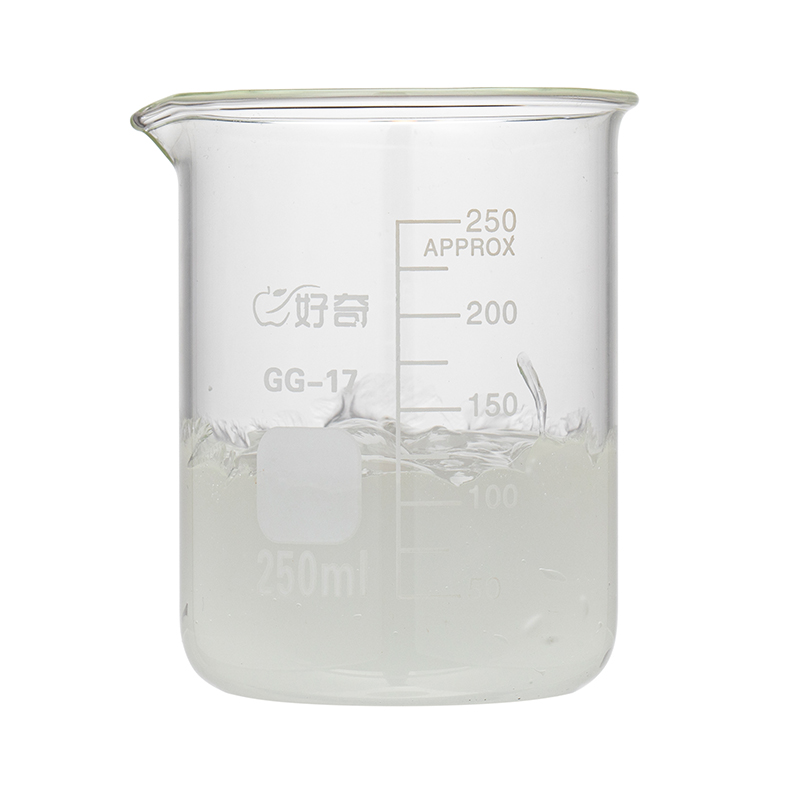
The supplier hasn’t listed a price. We can get their current prices and MOQ.
Verify from $29 · written report in 3 business days · 100% refund if unreachable
70% Sodium Lauryl Ether Sulfate (SLES/ AES) Technical Grade, a Raw Material for Laundry Detergent and Soap
WENZHOU JIAYONG TRADE CO.,LTDThe supplier hasn’t listed a price. We can get their current prices and MOQ.
Verify from $29 · written report in 3 business days · 100% refund if unreachable
About this product
- Color: White or Light Yellow
- Exports to: Africa, Middle East, Southeast Asia, South Asia, Central Asia, USA and Canada, Latin America, Russia, Other European Countries, Japan and South Korea, Hong Kong China, Macao China and Taiwan China, Others
- Made in: Guangdong, China
About this product
- Color: White or Light Yellow
- Exports to: Africa, Middle East, Southeast Asia, South Asia, Central Asia, USA and Canada, Latin America, Russia, Other European Countries, Japan and South Korea, Hong Kong China, Macao China and Taiwan China, Others
- Made in: Guangdong, China
Product details
| Color | White or Light Yellow |
|---|
Product details
| Color | White or Light Yellow |
|---|
From the supplier
General Information
Chemical name: Sodium Lauryl Ether Sulfate (SLES)
CAS No.: 68585-34-2
Molecular formula: CH3(CH2) 11(OCH2CH2)NOSO3Na
Standard Executed: GBT 5173-1995
Packaging: in 170KG plastic drum
Technical specification
Items
Standards
Classification
Surfactant
Molar mass
variable; typically around 420g/mol (288.38+44.05n)g/mol
Appearance
white or light yellow viscous paste
Density
1.05 g/cm3
Solubility
Soluble in water
Odor
No strange odors
Active matter content (%)
70±2
Unsulfated matter (%)
3.5 max
Sodium sulfate (%)
1.5 max
Color (Klett, 5%Am.aq.sol.)
30 max
pH-value (2% sol)
6.5~9.5
Dioxane content (%)
30 max
Description
There are several good reasons why SLES is highly sought-after by manufacturers, not the least due to its chemical features. SLES also boasts great solvency, good resistance against hard water, and high biodegradation levels.
This chemical ingredient is typically derived from palm kernel oil or coconut oil.
Sodium laureth sulfate has an extensive application in the cosmetic industry, where it’s featured in a number of products to improve their cleaning and emulsifying properties. Sodium lauryl sulfate (SLS) used to be a good rival for SLES. However, SLS comes with a couple of significant disadvantages: it has been proved to cause adverse effects on skin and features relatively low aqueous solubility.
Furthermore, its ability to thicken the cosmetic formulation is low. At the same time, SLES fulfills a plethora of demands at a friendly low cost.
SLES is a modified, improved version of SLS. It takes the high ground with a series of benefits such as long-lasting bubbles, still commonly perceived as a sign of high cleaning power. It has been proven to cause minuscule levels of skin irritation, without stripping the epidermis of excess moisture – a perk highly desirable among customers. Moreover, SLES shows almost no sensitivity to hard water, which allows for the formulation of products suitable for a worldwide market.
On top of all, sodium laureth sulfate’s biodegradation capacity meets the eco-protection requirements. SLES biodegrades rapidly and in entirety.
Sodium laureth sulfate is used in a range of concentrations. In cosmetics, it can go from as little as 0.01% up to 50% of the formula. In cleaning products, the common range is from 1% to 30%.
Stability/Shelf life
Stable. Incompatible with oxidizing agents.
The shelf life is at least one year , if stored properly.
Manufacturing
Sodium laureth sulfate (SLES) is the ethoxylated derivative of Sodium lauryl sulfate (SLS). It’s manufactured through the reaction of n-dodecyl alcohol with ethylene oxide. The resulting ethoxylate is converted to a half ester of sulfuric acid, which is then neutralized with sodium hydroxide.
Industry use
SLES has a broad application in the printing and dyeing industry, as well as in the petroleum and leather industry. It works as the lubricant, dyeing agent, cleanser, foaming agent, and degreasing agent.
Sodium laureth sulfate is also a competitive raw material for the cosmetic industry. Due to its advanced features, SLES has almost replaced SLS (sodium lauryl sulfate) as one of the most popular chemical ingredients.
Consumer use
SLES is contained in many personal care products such as soaps, shampoos, body washes/bubble baths, toothpaste, washing liquids, shaving cream, mouth wash, and even sunscreens.
Solubility
SLES is soluble in water.
Common synonyms
Sodium laureth sulfate
Sodium laureth sulphate
Sodium lauryl ether sulfate
FAQ
Q1: Can SLES be used in a powder detergent formula?
A: Yes, SLES can be used to formulate powder detergent. It’s commonly used in synthetic detergent powder as a foaming booster and a hard water-resistant agent. It has much better foaming performance in hard water than LAS.
Q2: Is SLES biodegradable?
A: Yes. Lots of studies have reported that SLES is biodegradable and eco-friendly.
Q3: What is the main usage of SLES in the detergent industry?
A: Currently, in the Homecare & Cleaning industry, SLES is largely used to produce dishwashing liquid, due to its excellent grease-cutting power, stability in liquid formulations, and its safety to health.
From the supplier
General Information
Chemical name: Sodium Lauryl Ether Sulfate (SLES)
CAS No.: 68585-34-2
Molecular formula: CH3(CH2) 11(OCH2CH2)NOSO3Na
Standard Executed: GBT 5173-1995
Packaging: in 170KG plastic drum
Technical specification
Items
Standards
Classification
Surfactant
Molar mass
variable; typically around 420g/mol (288.38+44.05n)g/mol
Appearance
white or light yellow viscous paste
Density
1.05 g/cm3
Solubility
Soluble in water
Odor
No strange odors
Active matter content (%)
70±2
Unsulfated matter (%)
3.5 max
Sodium sulfate (%)
1.5 max
Color (Klett, 5%Am.aq.sol.)
30 max
pH-value (2% sol)
6.5~9.5
Dioxane content (%)
30 max
Description
There are several good reasons why SLES is highly sought-after by manufacturers, not the least due to its chemical features. SLES also boasts great solvency, good resistance against hard water, and high biodegradation levels.
This chemical ingredient is typically derived from palm kernel oil or coconut oil.
Sodium laureth sulfate has an extensive application in the cosmetic industry, where it’s featured in a number of products to improve their cleaning and emulsifying properties. Sodium lauryl sulfate (SLS) used to be a good rival for SLES. However, SLS comes with a couple of significant disadvantages: it has been proved to cause adverse effects on skin and features relatively low aqueous solubility.
Furthermore, its ability to thicken the cosmetic formulation is low. At the same time, SLES fulfills a plethora of demands at a friendly low cost.
SLES is a modified, improved version of SLS. It takes the high ground with a series of benefits such as long-lasting bubbles, still commonly perceived as a sign of high cleaning power. It has been proven to cause minuscule levels of skin irritation, without stripping the epidermis of excess moisture – a perk highly desirable among customers. Moreover, SLES shows almost no sensitivity to hard water, which allows for the formulation of products suitable for a worldwide market.
On top of all, sodium laureth sulfate’s biodegradation capacity meets the eco-protection requirements. SLES biodegrades rapidly and in entirety.
Sodium laureth sulfate is used in a range of concentrations. In cosmetics, it can go from as little as 0.01% up to 50% of the formula. In cleaning products, the common range is from 1% to 30%.
Stability/Shelf life
Stable. Incompatible with oxidizing agents.
The shelf life is at least one year , if stored properly.
Manufacturing
Sodium laureth sulfate (SLES) is the ethoxylated derivative of Sodium lauryl sulfate (SLS). It’s manufactured through the reaction of n-dodecyl alcohol with ethylene oxide. The resulting ethoxylate is converted to a half ester of sulfuric acid, which is then neutralized with sodium hydroxide.
Industry use
SLES has a broad application in the printing and dyeing industry, as well as in the petroleum and leather industry. It works as the lubricant, dyeing agent, cleanser, foaming agent, and degreasing agent.
Sodium laureth sulfate is also a competitive raw material for the cosmetic industry. Due to its advanced features, SLES has almost replaced SLS (sodium lauryl sulfate) as one of the most popular chemical ingredients.
Consumer use
SLES is contained in many personal care products such as soaps, shampoos, body washes/bubble baths, toothpaste, washing liquids, shaving cream, mouth wash, and even sunscreens.
Solubility
SLES is soluble in water.
Common synonyms
Sodium laureth sulfate
Sodium laureth sulphate
Sodium lauryl ether sulfate
FAQ
Q1: Can SLES be used in a powder detergent formula?
A: Yes, SLES can be used to formulate powder detergent. It’s commonly used in synthetic detergent powder as a foaming booster and a hard water-resistant agent. It has much better foaming performance in hard water than LAS.
Q2: Is SLES biodegradable?
A: Yes. Lots of studies have reported that SLES is biodegradable and eco-friendly.
Q3: What is the main usage of SLES in the detergent industry?
A: Currently, in the Homecare & Cleaning industry, SLES is largely used to produce dishwashing liquid, due to its excellent grease-cutting power, stability in liquid formulations, and its safety to health.
About the supplier
Main products: Washing powder,Dishwashing liquid,Laundry detergent liquid,Fabric softener
- ✓Exhibited at 10 of the last 10 Canton Fairs
- ✓Foreign Trade Company
- ✓Founded 2010
- Exhibited at 10 of the last 10 Canton Fairs
- Foreign Trade Company
- Founded 2010
Similar products from other suppliers