99% Sodium Sulphate Anhydrous (SSA) Technical Grade for Detergent, Paper, Glass, Chemical, and Textile Industry
WENZHOU JIAYONG TRADE CO.,LTD
The supplier hasn’t listed a price. We can get their current prices and MOQ.
Verify from $29 · written report in 3 business days · 100% refund if unreachable
99% Sodium Sulphate Anhydrous (SSA) Technical Grade for Detergent, Paper, Glass, Chemical, and Textile Industry
WENZHOU JIAYONG TRADE CO.,LTDThe supplier hasn’t listed a price. We can get their current prices and MOQ.
Verify from $29 · written report in 3 business days · 100% refund if unreachable
About this product
- Color: White
- Exports to: Africa, Middle East, Southeast Asia, South Asia, Central Asia, USA and Canada, Latin America, Russia, Other European Countries, Japan and South Korea, Hong Kong China, Macao China and Taiwan China, Others
- Made in: Guangdong, China
About this product
- Color: White
- Exports to: Africa, Middle East, Southeast Asia, South Asia, Central Asia, USA and Canada, Latin America, Russia, Other European Countries, Japan and South Korea, Hong Kong China, Macao China and Taiwan China, Others
- Made in: Guangdong, China
Product details
| Color | White |
|---|
Product details
| Color | White |
|---|
From the supplier
General Information
Chemical name: Sodium sulphate anhydrous
CAS No.: 7757-82-6
Molecular formula: Na2SO4
Standard Executed: GB/T 6009-2014
Packaging: in 50KG/1000KG/1250KG PP woven bag with PE liner
Technical specification
Items
Standards: I TOP
Standards: I 1st
Standards: II 1st
Purity (Na2SO4) %
≥99.6
≥99.0
≥98.0
Water insoluble matter content %
≤0.005
≤0.050
≤0.100
Ca2+ Mg2+ content %
----
≤0.15
≤0.30
Chloride (CI)content %
≤0.05
≤0.35
≤0.7
Ferric (Fe) content %
≤0.0005
≤0.0020
≤0.0100
Moisture content %
≤0.050
≤0.200
≤0.500
Whiteness %
≥85
≥82
≥82
Melting point
884 °C (1,623.2 °F; 1,157.15 °K) in standard state (at 25 ℃[77 °F], 100 kPa)
884 °C (1,623.2 °F; 1,157.15 °K) in standard state (at 25 ℃[77 °F], 100 kPa)
884 °C (1,623.2 °F; 1,157.15 °K) in standard state (at 25 ℃[77 °F], 100 kPa)
Boiling point
1,429°C (2,604 °F; 1,702 °K) in standard state (at 25 ℃[77 °F], 100 kPa)
1,429°C (2,604 °F; 1,702 °K) in standard state (at 25 ℃[77 °F], 100 kPa)
1,429°C (2,604 °F; 1,702 °K) in standard state (at 25 ℃[77 °F], 100 kPa)
Stability
Stable
Stable
Stable
Solubility in water
4.76g/100ml (0℃) 28.1g/100mL (25℃) 42.7g/100mL (100℃)
4.76g/100mL (0℃) 28.1g/100ml (25℃) 42.7g/100mL (100℃)
4.76g/100mL (0℃) 28.1g/100mL (25℃) 42.7g/100ml (100℃)
PH Range
5.2~9.2
5.2~9.2
5.2~9.2
Density
2.664 g/cm3 (at 25 ℃[77 °F], 100 kPa)
2.664 g/cm3 (at 25 ℃[77 °F], 100 kPa)
2.664 g/cm3 (at 25 ℃[77 °F], 100 kPa)
Refractive index (nD)
1.468 (at 25 ℃[77 °F], 100 kPa)
1.468 (at 25 ℃[77 °F], 100 kPa)
1.468 (at 25 ℃[77 °F], 100 kPa)
Specific Gravity
2.68
2.68
2.68
Shelf life/Retest
24 months
24 months
24 months
Storage
Store at RT
Store at RT
Store at RT
Appearance
White free-flowing powder
White free-flowing powder
White free-flowing powder
Description
While thenardite is the anhydrous form of Na2SO4, mirabilite is a naturally-occurring decahydrate, Na2SO4·10H2O. The white, water-soluble, solid hydrate is also known as the Glauber’s salt. It’s formed by heating sodium chloride and sulfuric acid. This compound is used in dyeing, glass production, and the preparation of sodium bisulfate.
Anhydrous sodium sulfate is found in the form of white crystalline powder with an orthorhombic or hexagonal structure. It’s hygroscopic, soluble in water, insoluble in ethanol. The decahydrate consists of colorless monoclinic crystals, soluble in water, but insoluble in ethanol.
Sodium sulfate is one of the essential sodium salts. The decahydrate was first prepared by Johann Glauber in the 17th century, in the form of a by-product while making hydrochloric acid from sulfuric acid and sodium chloride.
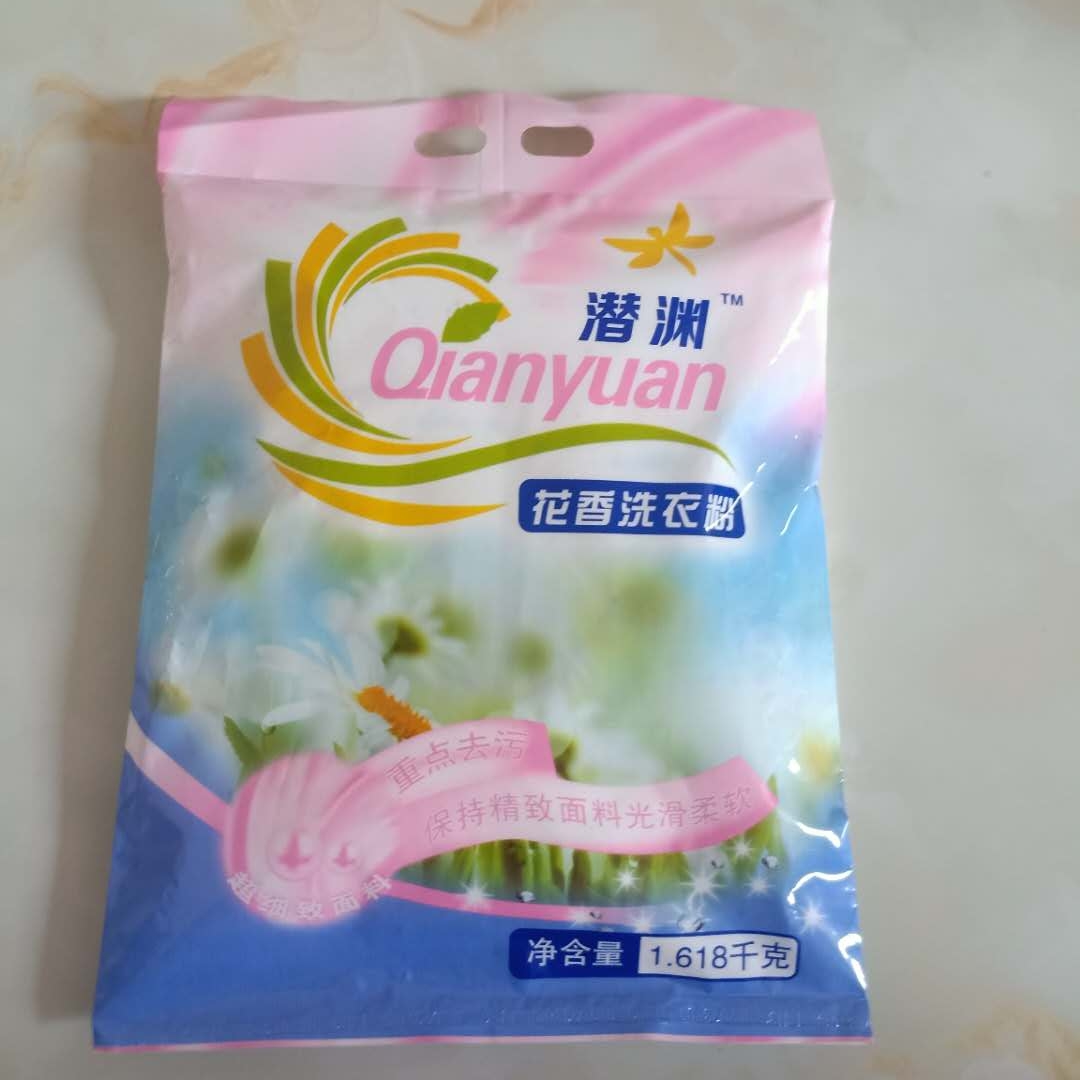
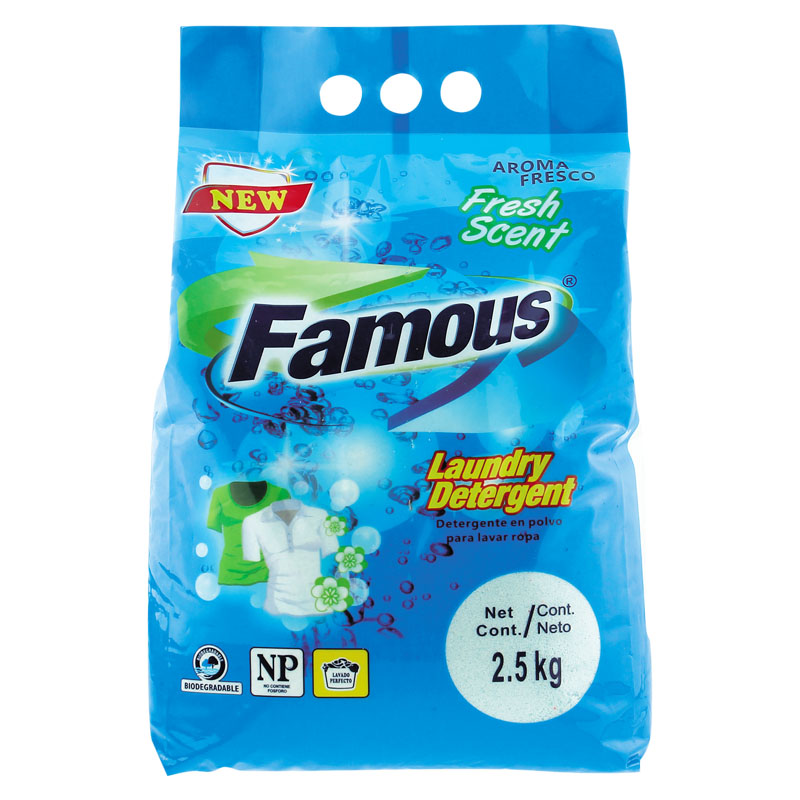
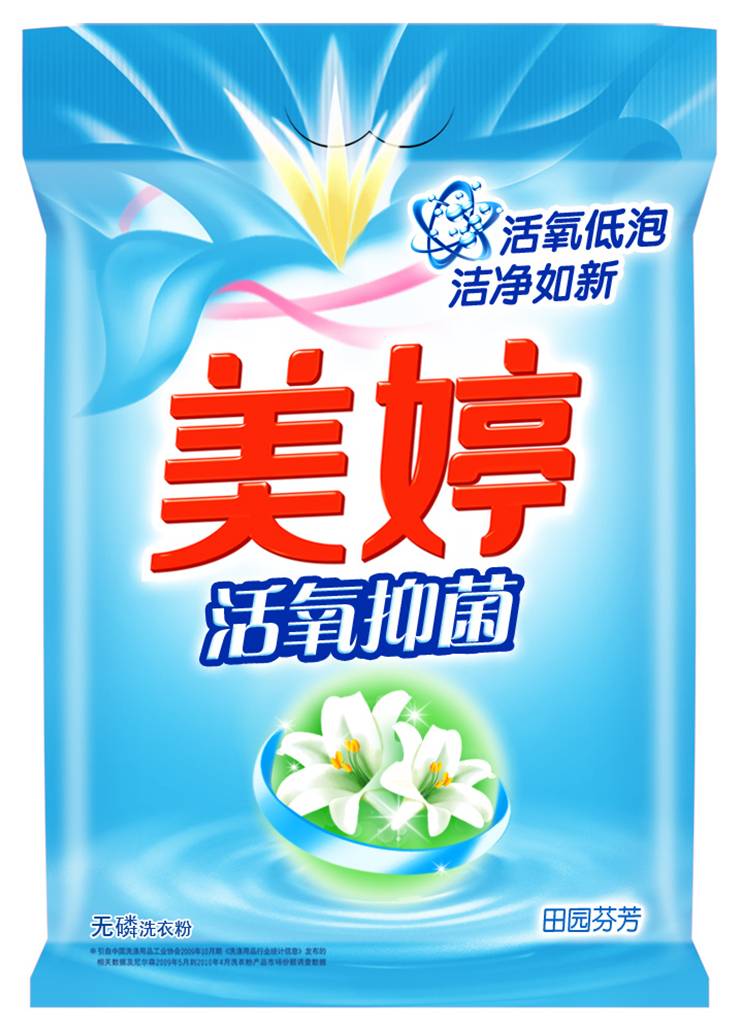
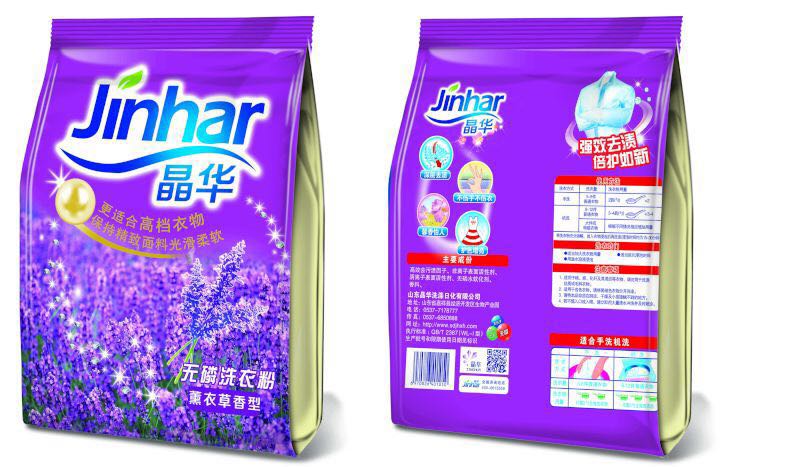
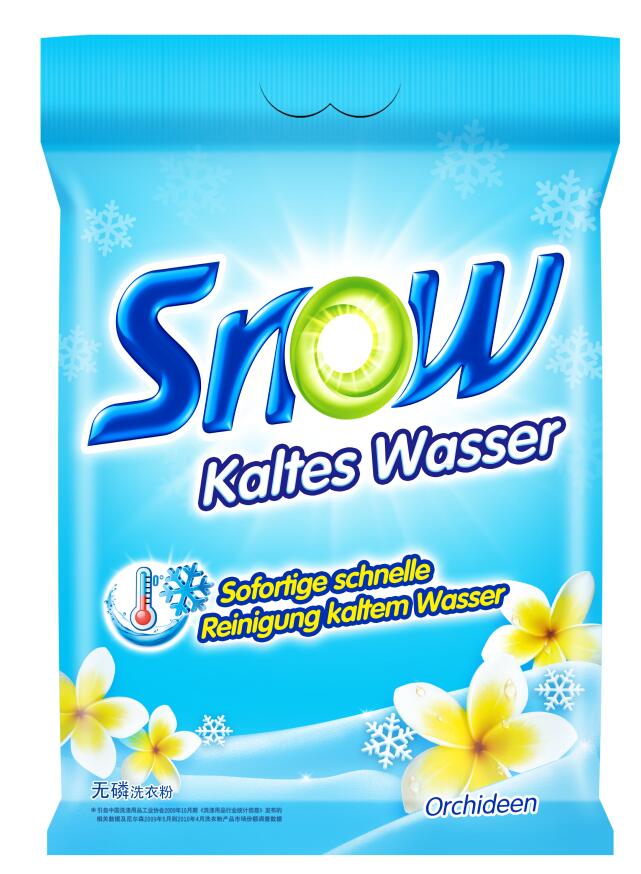
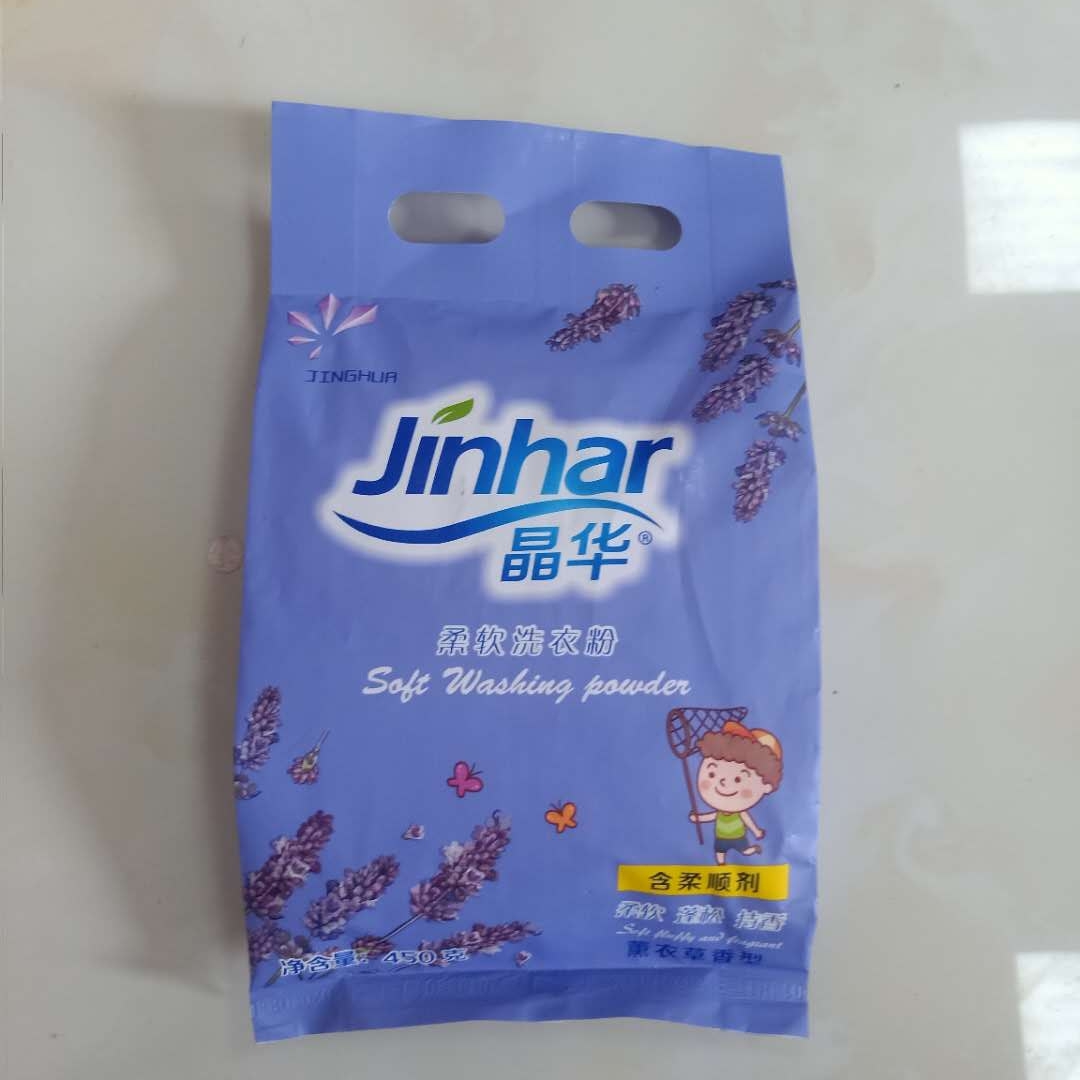
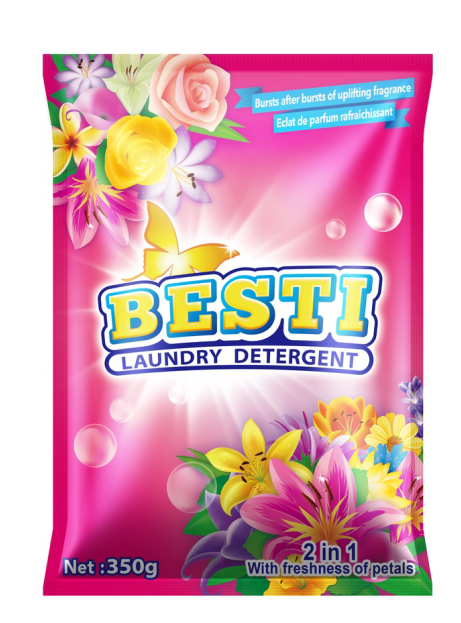
SSA is mainly used as the filler of synthetic detergent. In the paper industry, it’s an integral part of the Kraft Process as the atmometer during sulfate pulp production. In the glass industry, it’s a substitute for pure alkali. The chemical industry implements it as the raw ingredient for the manufacturing of sodium sulfide, sodium silicate, and similar chemical products. The application in the textile industry is in the formulation of a Vinylon spinning coagulation bath. It also has a purpose in the pharmaceutical industry, in the form of a laxative.
Other uses include ultramarine production, printing and dyeing textiles, and standardizing dyes. A principal use of anhydrous sodium sulfate is in the form of an agent to eliminate water from organic solvents and their extracts for organic synthesis and instrumental analysis. Sodium sulfate is a standard laboratory reagent that can also be used in the preparation of other sodium salts.
In the laboratory, sodium sulfate can be synthesized from the reaction between sodium bicarbonate and magnesium sulfate.
Bulk sodium sulfate is customarily purified via the decahydrate form. The anhydrous form tends to attract organic compounds and iron compounds. The anhydrous form is easily produced from the hydrated form by gentle warming.
Stability/Shelf life
Stable. Incompatible with strong acids, aluminum, magnesium, strong bases. Hygroscopic.
Recommended storage: Dry, tight-closed, ideally in its original packaging, in room temperature.
Manufacturing
The most common chemical sodium sulfate production is during hydrochloric acid production with the resulting compound known as the salt cake. The Mannheim process utilizes sodium chloride (salt) and sulfuric acid. The Hargreaves process utilizes sulfur dioxide.
Another production method neutralizes surplus sodium hydroxide by sulfuric acid. This method is regularly applied and convenient for laboratory preparation.
Industry use
SSA is mainly used as the filler of synthetic detergent. Other major applications are in the paper industry, glass industry, chemical industry, textile industry as well as the pharmaceutical industry.
Consumer use
SSA is principally used as neutral salt in synthetic detergents. Apart from being used as a laxative medicine, sodium sulfate is the antidote of barium and lead poisoning. It’s also a food additive and a common ingredient in the production of caramels.
Solubility
Soluble in water, clear, colorless.
Common synonyms
Sodium sulphate
Sulfate of sodium, Thenardite (mineral)
Glauber’s salt (decahydrate)
Sal mirabilis (decahydrate)
Mirabilite (decahydrate mineral)
Disodium sulfate
FAQ
Q1: Can I use Sodium chloride to replace Sodium sulphate in synthetic detergent powder?
A: In some cases, some detergent manufacturers do use Sodium chloride as a substitute of Sodium sulphate to produce concentrated synthetic detergent powder, by dry mixing method. However, it’s not recommended to use Sodium chloride to produce puffed synthetic detergent powder in a spray drying tower.
Q2: Do you supply mineral source Sodium sulphate or by-product Sodium sulphate?
A: We have both available, and both are of the best quality.
Q3: Are you able to supply Sodium sulphate in bulk carrier? Or only in containers?
A: STPP Group has been supplying Sodium sulphate in both ways. To most of our customers, we deliver in containers, with MOQ as low as 27 tons. We also have been delivering regularly to South Africa, Iran, and Latin Americas in bulk carriers.
From the supplier
General Information
Chemical name: Sodium sulphate anhydrous
CAS No.: 7757-82-6
Molecular formula: Na2SO4
Standard Executed: GB/T 6009-2014
Packaging: in 50KG/1000KG/1250KG PP woven bag with PE liner
Technical specification
Items
Standards: I TOP
Standards: I 1st
Standards: II 1st
Purity (Na2SO4) %
≥99.6
≥99.0
≥98.0
Water insoluble matter content %
≤0.005
≤0.050
≤0.100
Ca2+ Mg2+ content %
----
≤0.15
≤0.30
Chloride (CI)content %
≤0.05
≤0.35
≤0.7
Ferric (Fe) content %
≤0.0005
≤0.0020
≤0.0100
Moisture content %
≤0.050
≤0.200
≤0.500
Whiteness %
≥85
≥82
≥82
Melting point
884 °C (1,623.2 °F; 1,157.15 °K) in standard state (at 25 ℃[77 °F], 100 kPa)
884 °C (1,623.2 °F; 1,157.15 °K) in standard state (at 25 ℃[77 °F], 100 kPa)
884 °C (1,623.2 °F; 1,157.15 °K) in standard state (at 25 ℃[77 °F], 100 kPa)
Boiling point
1,429°C (2,604 °F; 1,702 °K) in standard state (at 25 ℃[77 °F], 100 kPa)
1,429°C (2,604 °F; 1,702 °K) in standard state (at 25 ℃[77 °F], 100 kPa)
1,429°C (2,604 °F; 1,702 °K) in standard state (at 25 ℃[77 °F], 100 kPa)
Stability
Stable
Stable
Stable
Solubility in water
4.76g/100ml (0℃) 28.1g/100mL (25℃) 42.7g/100mL (100℃)
4.76g/100mL (0℃) 28.1g/100ml (25℃) 42.7g/100mL (100℃)
4.76g/100mL (0℃) 28.1g/100mL (25℃) 42.7g/100ml (100℃)
PH Range
5.2~9.2
5.2~9.2
5.2~9.2
Density
2.664 g/cm3 (at 25 ℃[77 °F], 100 kPa)
2.664 g/cm3 (at 25 ℃[77 °F], 100 kPa)
2.664 g/cm3 (at 25 ℃[77 °F], 100 kPa)
Refractive index (nD)
1.468 (at 25 ℃[77 °F], 100 kPa)
1.468 (at 25 ℃[77 °F], 100 kPa)
1.468 (at 25 ℃[77 °F], 100 kPa)
Specific Gravity
2.68
2.68
2.68
Shelf life/Retest
24 months
24 months
24 months
Storage
Store at RT
Store at RT
Store at RT
Appearance
White free-flowing powder
White free-flowing powder
White free-flowing powder
Description
While thenardite is the anhydrous form of Na2SO4, mirabilite is a naturally-occurring decahydrate, Na2SO4·10H2O. The white, water-soluble, solid hydrate is also known as the Glauber’s salt. It’s formed by heating sodium chloride and sulfuric acid. This compound is used in dyeing, glass production, and the preparation of sodium bisulfate.
Anhydrous sodium sulfate is found in the form of white crystalline powder with an orthorhombic or hexagonal structure. It’s hygroscopic, soluble in water, insoluble in ethanol. The decahydrate consists of colorless monoclinic crystals, soluble in water, but insoluble in ethanol.
Sodium sulfate is one of the essential sodium salts. The decahydrate was first prepared by Johann Glauber in the 17th century, in the form of a by-product while making hydrochloric acid from sulfuric acid and sodium chloride.
SSA is mainly used as the filler of synthetic detergent. In the paper industry, it’s an integral part of the Kraft Process as the atmometer during sulfate pulp production. In the glass industry, it’s a substitute for pure alkali. The chemical industry implements it as the raw ingredient for the manufacturing of sodium sulfide, sodium silicate, and similar chemical products. The application in the textile industry is in the formulation of a Vinylon spinning coagulation bath. It also has a purpose in the pharmaceutical industry, in the form of a laxative.
Other uses include ultramarine production, printing and dyeing textiles, and standardizing dyes. A principal use of anhydrous sodium sulfate is in the form of an agent to eliminate water from organic solvents and their extracts for organic synthesis and instrumental analysis. Sodium sulfate is a standard laboratory reagent that can also be used in the preparation of other sodium salts.
In the laboratory, sodium sulfate can be synthesized from the reaction between sodium bicarbonate and magnesium sulfate.
Bulk sodium sulfate is customarily purified via the decahydrate form. The anhydrous form tends to attract organic compounds and iron compounds. The anhydrous form is easily produced from the hydrated form by gentle warming.
Stability/Shelf life
Stable. Incompatible with strong acids, aluminum, magnesium, strong bases. Hygroscopic.
Recommended storage: Dry, tight-closed, ideally in its original packaging, in room temperature.
Manufacturing
The most common chemical sodium sulfate production is during hydrochloric acid production with the resulting compound known as the salt cake. The Mannheim process utilizes sodium chloride (salt) and sulfuric acid. The Hargreaves process utilizes sulfur dioxide.
Another production method neutralizes surplus sodium hydroxide by sulfuric acid. This method is regularly applied and convenient for laboratory preparation.
Industry use
SSA is mainly used as the filler of synthetic detergent. Other major applications are in the paper industry, glass industry, chemical industry, textile industry as well as the pharmaceutical industry.
Consumer use
SSA is principally used as neutral salt in synthetic detergents. Apart from being used as a laxative medicine, sodium sulfate is the antidote of barium and lead poisoning. It’s also a food additive and a common ingredient in the production of caramels.
Solubility
Soluble in water, clear, colorless.
Common synonyms
Sodium sulphate
Sulfate of sodium, Thenardite (mineral)
Glauber’s salt (decahydrate)
Sal mirabilis (decahydrate)
Mirabilite (decahydrate mineral)
Disodium sulfate
FAQ
Q1: Can I use Sodium chloride to replace Sodium sulphate in synthetic detergent powder?
A: In some cases, some detergent manufacturers do use Sodium chloride as a substitute of Sodium sulphate to produce concentrated synthetic detergent powder, by dry mixing method. However, it’s not recommended to use Sodium chloride to produce puffed synthetic detergent powder in a spray drying tower.
Q2: Do you supply mineral source Sodium sulphate or by-product Sodium sulphate?
A: We have both available, and both are of the best quality.
Q3: Are you able to supply Sodium sulphate in bulk carrier? Or only in containers?
A: STPP Group has been supplying Sodium sulphate in both ways. To most of our customers, we deliver in containers, with MOQ as low as 27 tons. We also have been delivering regularly to South Africa, Iran, and Latin Americas in bulk carriers.
About the supplier
Main products: Washing powder,Dishwashing liquid,Laundry detergent liquid,Fabric softener
- ✓Exhibited at 10 of the last 10 Canton Fairs
- ✓Foreign Trade Company
- ✓Founded 2010
- Exhibited at 10 of the last 10 Canton Fairs
- Foreign Trade Company
- Founded 2010
Similar products from other suppliers