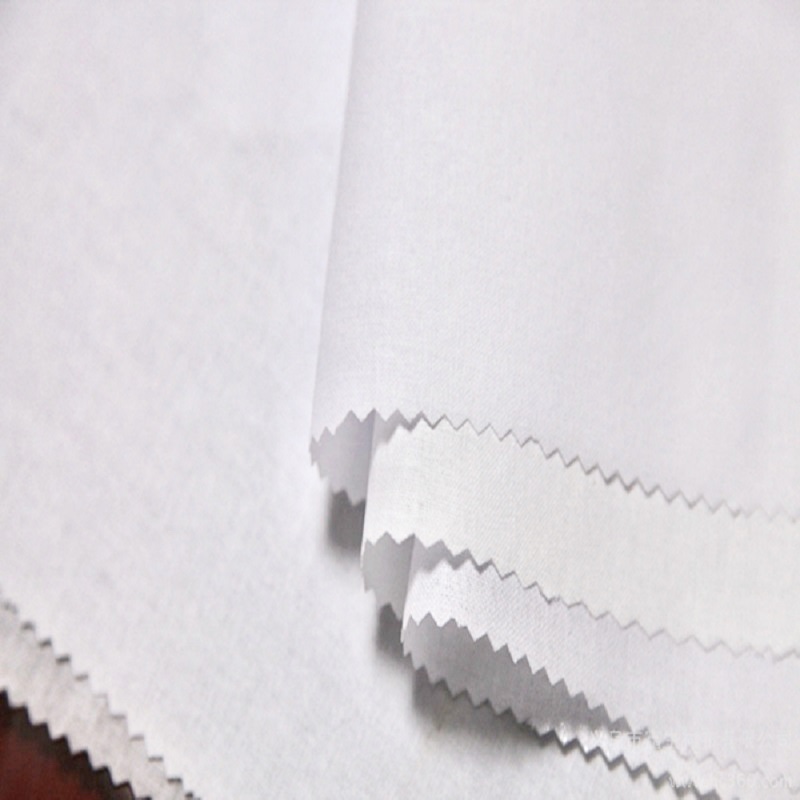
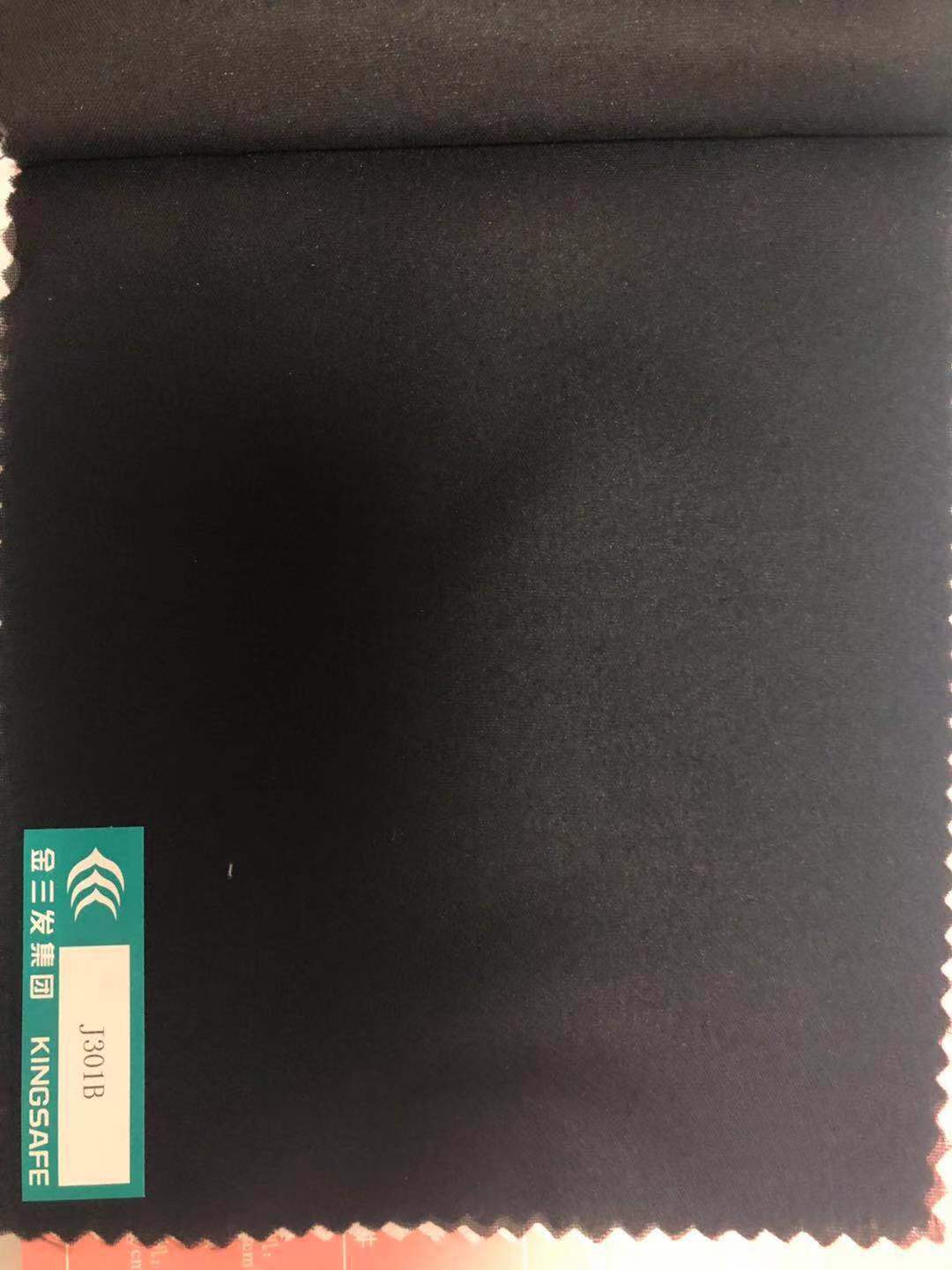
Woven Interlining

The supplier hasn’t listed a price. We can get their current prices and MOQ.
- Service
- From $29 per supplier (Verify)
- You get
- Phone and video verification, a quote sheet and a written report
- Turnaround
- 3 business days
- Contact details
- Sent to you once your request is confirmed
If we can't reach the supplier within 3 business days, we refund the fee.
Woven Interlining
The supplier hasn’t listed a price. We can get their current prices and MOQ.
- Service
- From $29 per supplier (Verify)
- You get
- Phone and video verification, a quote sheet and a written report
- Turnaround
- 3 business days
- Contact details
- Sent to you once your request is confirmed
If we can't reach the supplier within 3 business days, we refund the fee.
About this product
- Materials: 100%polyester
- Size: 150CM
- Color: BLACK
- Color: Other
- Usage: Other
- Appearance: Other
- Exports to: Africa, Middle East, Southeast Asia
About this product
- Materials: 100%polyester
- Size: 150CM
- Color: BLACK
- Color: Other
- Usage: Other
- Appearance: Other
- Exports to: Africa, Middle East, Southeast Asia
Product details
| Materials | 100%polyester |
|---|---|
| Size | 150CM |
| Color | BLACK |
| Color | Other |
| Usage | Other |
| Appearance | Other |
From the supplier
Clothing interlining is a major category of clothing accessories, which plays a skeleton role in clothing. For example, the construction of houses needs reinforced cement as the skeleton; To make clothes, you need to use interlining as the skeleton. Through the shape, reinforcement and shape preservation of interlining, clothes can form various beautiful styles.
In simple terms, it is actually the outer fabric and inner lining of a garment, and the middle is the interlining. Therefore, the interlining can not be seen directly in general, but all the positions that need to form a stiff, full feel, smooth transition and reinforcement are covered with the interlining.
(1) Clothing interlining: refers to a kind of textile material applied to the inner layer of various parts of clothing in order to show the characteristics of clothing modeling design in clothing processing.
(2) Base cloth: commonly known as base cloth, the fabric used for weaving interlining.
(3) Cotton and linen interlining: refers to cotton or linen that has not been processed or only starched and stiffened, and is a relatively primitive interlining.
(4) Woven resin black carbon interlining: also known as wool interlining, it is made of cotton, chemical fiber, wool pure or blended as light yarn, chemical fiber and yak hair or other animal hair blended as weft yarn, which is woven into a base cloth, and then processed with resin.
(5) Woven resin lining cloth: woven or knitted fabrics of cotton and chemical fiber pure or blended, which are processed by scouring, bleaching or dyeing, and resin finishing. It is referred to as resin lining.
(6) Woven (or knitted) hot-melt bonded interlining: woven or knitted fabrics of pure or blended cotton and chemical fibers, which are made after scouring, bleaching, dyeing and other finishing, and evenly coated with thermoplastic hot-melt adhesive. It is referred to as woven adhesive lining.
(7) Nonwoven fusible interlining: also known as non-woven fusible interlining. It refers to the lining cloth made of nonwoven fabric after coating with thermoplastic hot melt adhesive. Sewn non-woven adhesive lining also belongs to this category.
Woven resin black carbon interlining, woven resin interlining, woven (including knitted) hot-melt adhesive interlining and nonwoven hot-melt adhesive interlining are four major series of modern interlining. In addition, there are a variety of other interlining and supporting products, such as tie lining, hemp lining, waist lining, waist strip lining, child and mother belt, pocket, shoe and hat lining, etc
Interlining is the skeleton of clothing, and good interlining is the essence of clothing. Especially the application of modern interlining has brought unexpected effects to clothing modeling and sewing processes. The role of interlining can be summarized in the following aspects:
1. Give clothing good curves and body shape;
2. Enhance the compactness and elasticity of clothing, and enhance the three-dimensional sense;
3. Improve the drape and fabric feel of clothing, and enhance the comfort of clothing;
4. Increase the thickness, fullness and heat preservation of clothing;
5. Prevent clothing deformation and keep the original shape after washing;
6. It can reinforce and reinforce some parts of clothing.
The industry calls interlining the "skeleton" and "essence" of clothing, especially the application of modern new interlining, but the shape and sewing of clothing have achieved unexpected results
classification
The parts used for interlining include: front, inner welt, collar, lapel, back piece, pocket opening, pocket cover, belt, collar, placket, cuff, welt, cuff, seam, hem, sleeve fork, etc
Adhesive lining, textile lining, non-woven lining, strip lining, double-sided lining, waist lining, shirt lining, coat lining, fur lining, composite lining, etc. (according to different situations)
production process
Singeing -- cold piling -- desizing, boiling and bleaching -- dry
About the supplier
Main products: Other textile auxiliaries
- ✓Exhibited at 6 recent Canton Fairs
- ✓Foreign Trade Company
- ✓Founded 2020
- Exhibited at 6 recent Canton Fairs
- Foreign Trade Company
- Founded 2020
Similar products from other suppliers
Add a few to compare, then request quotes from all of them at once.