Canton FairSourcing
Metallurgy Machinery

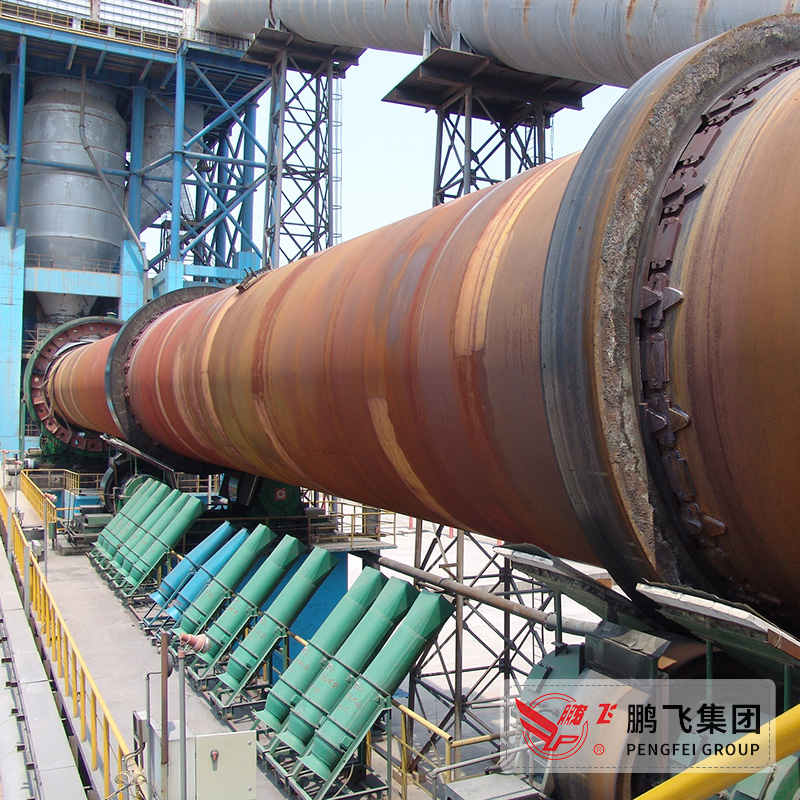
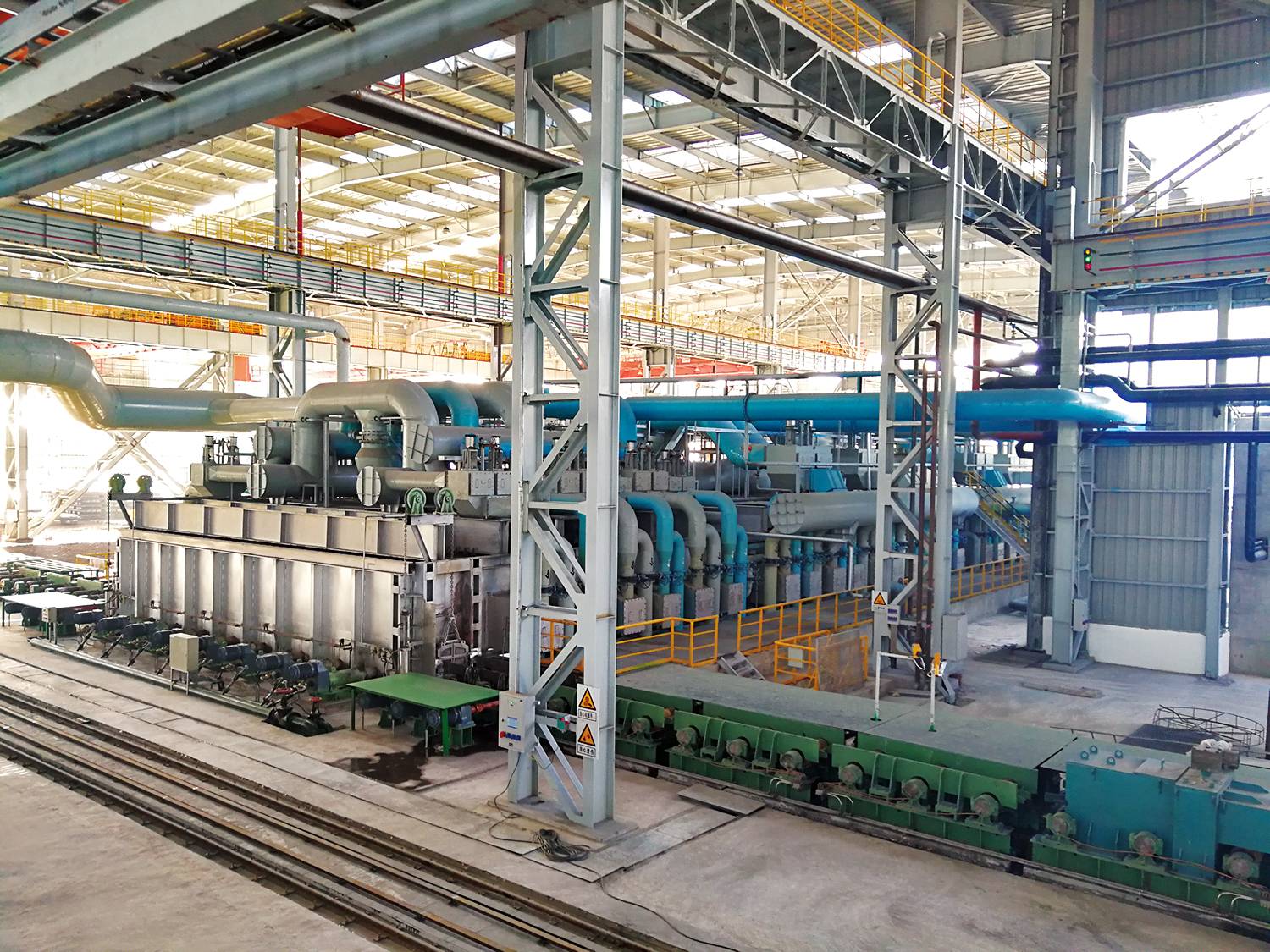
Rotary Kiln used for Lithium carbonate to lithium battery production

JIANGSU PENGFEI GROUP CO.,LTD.
10/10 fairsManufacturerModel Ф1.5×12m Ф2.0×14m Ф3.0×20m Ф3.0×25m Ф4×36m Ф5×45m
Green / low-carbonSmart product
Rotary Kiln used for Lithium carbonate to lithium battery production
$014$125/ unit FOB · ≈ converted from CNY
Unit not stated by the supplier.
MOQ 1 unit · L/C
Estimated landed cost
$9.42 / unit
range $8.71$10 · total ≈ $942
See what’s included
FOB goods (100)
$69
Ocean freight + handling (0.02 CBM, volume guessed from price)
$820
US duty (3.5%)
$2.43
Section 301 tariff (25.0%)
$17
Customs fees (MPF/HMF)
$33

Estimate in USD to a US port using category averages, rates as of 2026-09. Other countries on request. A quote from our desk uses real carton sizes, freight and the exact tariff line.

Verify from $29 · written report in 3 business days · 100% refund if not satisfied

About this product

  • Materials: steel
  • Size: Ф1.5×12m Ф2.0×14m Ф3.0×20m Ф3.0×25m Ф4×36m Ф5×45m
  • Color: The specified
  • Exports to: Mainland China, Africa, Middle East, Southeast Asia, South Asia, Central Asia, Latin America, EU, Other European Countries, Japan and South Korea, Others
  • Made in: Jiangsu, China
Product details
Materialssteel
SizeФ1.5×12m Ф2.0×14m Ф3.0×20m Ф3.0×25m Ф4×36m Ф5×45m
ColorThe specified
From the supplier

Conversion roasting: The spodumene concentrate is manually sent from the concentrate silo via the bucket elevator to the concentrate silo, and then added to the tail of the lithium carbonate rotary kiln via the disc feeder and the screw feeder. The tail gas preheating section high temperature gas drying concentrate, the concentrate is crystallized and calcined at a temperature of about 1200 ° C in the calcination section, and is converted into β-type spodumene by α type (monoclinic system, density 3150 kg/m3). The tetragonal system has a density of 2400 kg/m3, that is, a baking material, and the conversion rate is about 98%. 


Lithium carbonate production processBaking sectionConversion roasting: The spodumene concentrate is manually sent from the concentrate pool to the bucket elevator to the concentrate bin, and then added to the tail of the lithium carbonate rotary kiln via the disc feeder and the screw feeder, and preheated by the kiln tail. Segment high-temperature gas drying concentrate, the concentrate is crystallized and calcined at a temperature of about 1200 °C in the calcination section, and is converted into β-type spodumene by α-type (monoclinic system, density 3150kg/m3) (tetragonal system) The density is 2400 kg/m3, that is, the baking material, and the conversion rate is about 98%.Acidification roasting: After the cooling material is cooled by the cooling section, it is discharged from the kiln head, and then finely ground to 0.074mm in the natural cooling and ball mill to be more than 90%, and then transported to the acidification roasting kiln tailing bin, and then through the feeder and The screw conveyor is added to the mixed acid machine and concentrated sulfuric acid (93% or more) in a certain ratio (concentrated sulfuric acid in excess of 35% of the lithium equivalent in the baking material, about 0.21t of concentrated sulfuric acid per ton of baking material), and then added to the acidification roasting. In the chamber, the closed acidification roasting is carried out at a temperature of about 250 to 300 ° C for 30 to 60 min. The β-type spodumene in the baking is reacted with sulfuric acid, and the hydrogen ions in the acid replace the lithium ions in the β-type spodumene. Li2O is combined with SO42- as water-soluble Li2SO4 to obtain acidified clinker.Slurry leaching and washing: the clinker is cooled and slurryed to dissolve the soluble lithium sulfate in the clinker into the liquid phase. To reduce the corrosion of the solution to the leaching equipment, the limestone slurry is used to neutralize the residual acid in the clinker to adjust the pH. Adjusted to 6.5 ~ 7.0, and at the same time remove most of the iron, aluminum and other impurities, the leaching solution solid ratio of about 2.5, leaching time of about 0.5h. The leaching slurry is separated by filtration to obtain a leaching solution containing about 100 g/L of Li 2 SO 4 (Li 2 O 27 g/L), and the filter cake is leaching slag, and the water content is about 35%. Lithium sulfate is contained in the leaching residue adhering liquid. In order to reduce lithium loss, the leaching slag is washed by reverse stirring, and the washing liquid is returned to the slurry for leaching.Leachate purification: When the baking material is acidified and calcined, in addition to the alkali metal can react with sulfuric acid to produce soluble corresponding sulfate, other iron, aluminum, calcium, magnesium and the like are also reacted with sulfuric acid to produce the corresponding sulfate. Although some impurities in the clinker can be removed during the leaching process, the remaining impurities remain in the leachate and need to be further purified to ensure product quality. The leachate purification is carried out by alkalization decalcification method, alkalizing the leaching solution with alkalizing agent lime milk (containing CaO 100-150 g/L), and raising the pH to 11-12 to hydrolyze magnesium and iron into hydroxide precipitates. Further, a sodium carbonate solution (containing Na2CO3 300 g/L) is reacted with calcium sulfate to produce a calcium carbonate precipitate, thereby removing calcium in the leachate and calcium introduced by the alkalizing agent lime milk. The alkalized calcium removal slurry is separated by liquid solid solution, and the obtained solution is a purification liquid. The calcium to lithium ratio is less than 9.6×10⁻⁴, and the filter cake is calcium residue, which is returned to the slurry for leaching.Evaporation and concentration of purification liquid: The purification liquid has low concentration of lithium sulfate and low lithium precipitation rate. It cannot be directly used for lithium precipitation or lithium chloride. It is necessary to adjust the purification liquid to pH 6-6.5 with sulfuric acid first, and evaporate and concentrate by three-effect evaporator. The concentration of lithium sulfate in the concentrate is 200 g/L (containing Li2O 60 g/L). The concentrated liquid is separated by pressure filtration, and the filtrate is used to supply the liquid to the next step, and the filter cake is returned to the slurry for leaching.2 Lithium carbonate production sectionThe completion liquid and the pure lye (containing Na2CO3 300g/L) were added to the evaporating lithium tank to carry out evaporative deposition of lithium (constant temperature after boiling for 2 h), and the precipitate was precipitated due to the low solubility of lithium carbonate, and the lithium precipitation rate was about 85%. After the lithium is precipitated, the crude lithium carbonate (containing less than 10% of the filtrate) and the primary lithium-plated mother liquor are separated by a centrifugal machine.The primary lithium liquid solution contains a large amount of sodium sulfate and higher lithium sulfate (about 15% of the total amount), and the pure alkali liquid (containing Na2CO3 300g/L) is added to carry out the second lithium deposition to obtain the second crude product and the second mother liquid, the mother liquid. After acid neutralization and sodium hydroxide pH adjustment, the by-product anhydrous sodium sulfate and sodium precipitation mother liquor are separated by evaporation and centrifugation, and anhydrous sodium sulfate is dried by air flow and packaged to obtain by-product Yuanming powder. The sodium mother liquor is returned to the mother liquor for one time.The primary crude lithium carbonate and the second crude product adhesion liquid contain impurities such as Na2SO4, and then are stirred with purified water at about 90 ° C, and the washing liquid is sent to the alkali, and after washing, the wet lithium carbonate is separated by a centrifuge, and then the wet lithium carbonate is separated. After drying by the far-infrared dryer, the magnetic separation removes the iron debris and the like which are detached from the dryer, and finally is crushed by the airflow and packaged into the warehouse.This project mainly adds battery-grade lithium carbonate production capacity. From the perspective of the overall production process, the battery-grade lithium carbonate and the industrial grade lithium carbonate are basically the same, the difference is that the process control conditions of the two sections of evaporation and sinking lithium are different, that is, the specific gravity of the liquid and the passing of the flame are measured by the hydrometer when the purification liquid is concentrated by evaporation. The photometer measures the concentration of Li2O in the liquid to ensure that the concentration of the finished liquid is within the process requirements. When the lithium is used, the electromagnetic flowmeter displays the different opening degrees of the regulating valve to control the feeding speed, and the speed of the motor is controlled by the frequency converter to control the stirring speed of the agitator. . The above process control conditions are all key technologies of the company.3 anhydrous lithium chloride sectionsThe completion liquid obtained in the baking section is subjected to a metathesis reaction with the calcium chloride solution, and after the reaction is completed, CaSO4•2H2O is separated and sent to obtain a CaSO4 product. After separation, a dilute solution of LiCl is obtained, and β-type active Al2O3, Na2CO3 and NaOH solution are sequentially added to remove impurities such as SO42-, Ca2+ and Mg2+ in the dilute solution of LiCl, and then the concentration of LiCl is increased to 400-500 g/L by evaporation and concentration. Cooling filtration was carried out, and solid NaCl was separated to obtain a concentrated solution of LiCl. The LiCl concentrated solution is transported to the refining tank and the company's self-produced refined preparation (the company's patented technology, inorganic components, containing no toxic and harmful heavy metals) is substituted with Na+ to control the Na+/LiCl ratio in the solution end point solution to be less than 30 ppm. After separation, a LiCl completion liquid is obtained, and finally, the finished liquid is spray-dried to obtain a uniform anhydrous lithium chloride product.

About the supplier

JIANGSU PENGFEI GROUP CO.,LTD.

Main products: Cement Processing Machine,Complete Sets of Equipment for Lime Production,Compound fertilizer production line,Industrial furnace,Dryer,Municipal Solid Waste Composting System,Mineral Microwave Drying Machine

  • Exhibited at 10 of the last 10 Canton Fairs
  • Manufacturer
  • Founded 2002
  • Canton Fair Premium Supplier
  • Brand exhibitor
  • National high-tech enterprise
  • AEO-certified exporter (customs-trusted)
  • 1 certificate on file
See all products from this supplier →

Manufacturing exhibitors show in Phase 1 of the Canton Fair, 15 to 19 October 2026.

Supplier
JIANGSU PENGFEI GROUP CO.,LTD.
Nantong, Jiangsu, China
100
trust
  • Exhibited at 10 of the last 10 Canton Fairs
  • Manufacturer
  • Founded 2002
  • Canton Fair Premium Supplier
Canton Fair booth: 19.1F10-11,19.1E34-35 · Large Machinery & Equipment (140th session)

More from JIANGSU PENGFEI GROUP CO.,LTD.
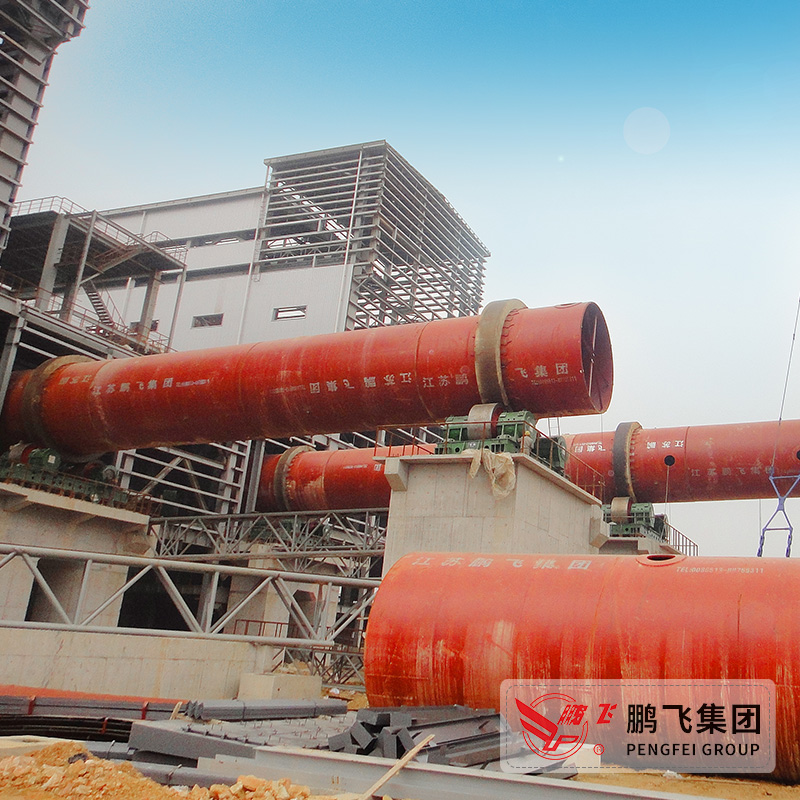
Metallurgical rotary kiln
$0.14–$1.25 / unit FOB (≈ from CNY)
~$9.42 landed · 100 pcs
1000 tons of active lime production line equipment
$0.14–$1.25 / unit FOB (≈ from CNY)
~$9.42 landed · 100 pcs
Chemical rotary kiln
$0.14–$1.25 / unit FOB (≈ from CNY)
~$9.42 landed · 100 pcs
Cement production line with annual output of 1.2 million tons
$0.14–$1.25 / unit FOB (≈ from CNY)
~$9.42 landed · 100 pcs
Cement rotary kiln
Cement rotary kiln
$0.14–$1.25 / unit FOB (≈ from CNY)
~$9.42 landed · 100 pcs
Ball mill
Ball mill
$0.14–$1.25 / unit FOB (≈ from CNY)
~$9.42 landed · 100 pcs

All products from this supplier →

Similar products from other suppliers
$0.14–$1.25 / unit
MOQ 1 · Verify for $29
Hire sourcing agent