The supplier hasn’t listed a price. We can get their current prices and MOQ.
- Service
- From $29 per supplier (Verify)
- You get
- Phone and video verification, a quote sheet and a written report
- Turnaround
- 3 business days
- Contact details
- Sent to you once your request is confirmed
If we can't reach the supplier within 3 business days, we refund the fee.
The supplier hasn’t listed a price. We can get their current prices and MOQ.
- Service
- From $29 per supplier (Verify)
- You get
- Phone and video verification, a quote sheet and a written report
- Turnaround
- 3 business days
- Contact details
- Sent to you once your request is confirmed
If we can't reach the supplier within 3 business days, we refund the fee.
About this product
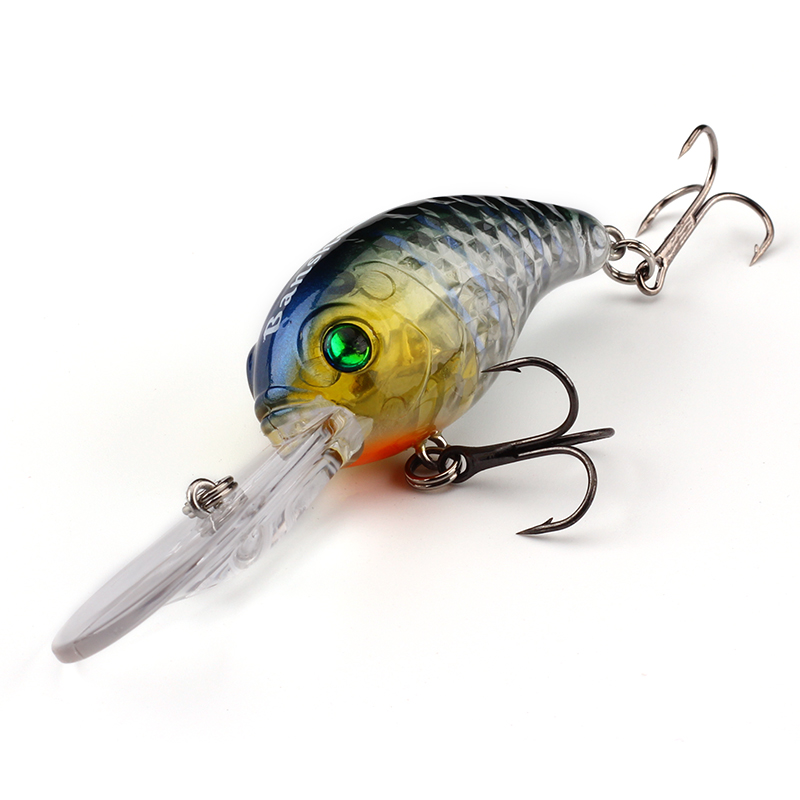
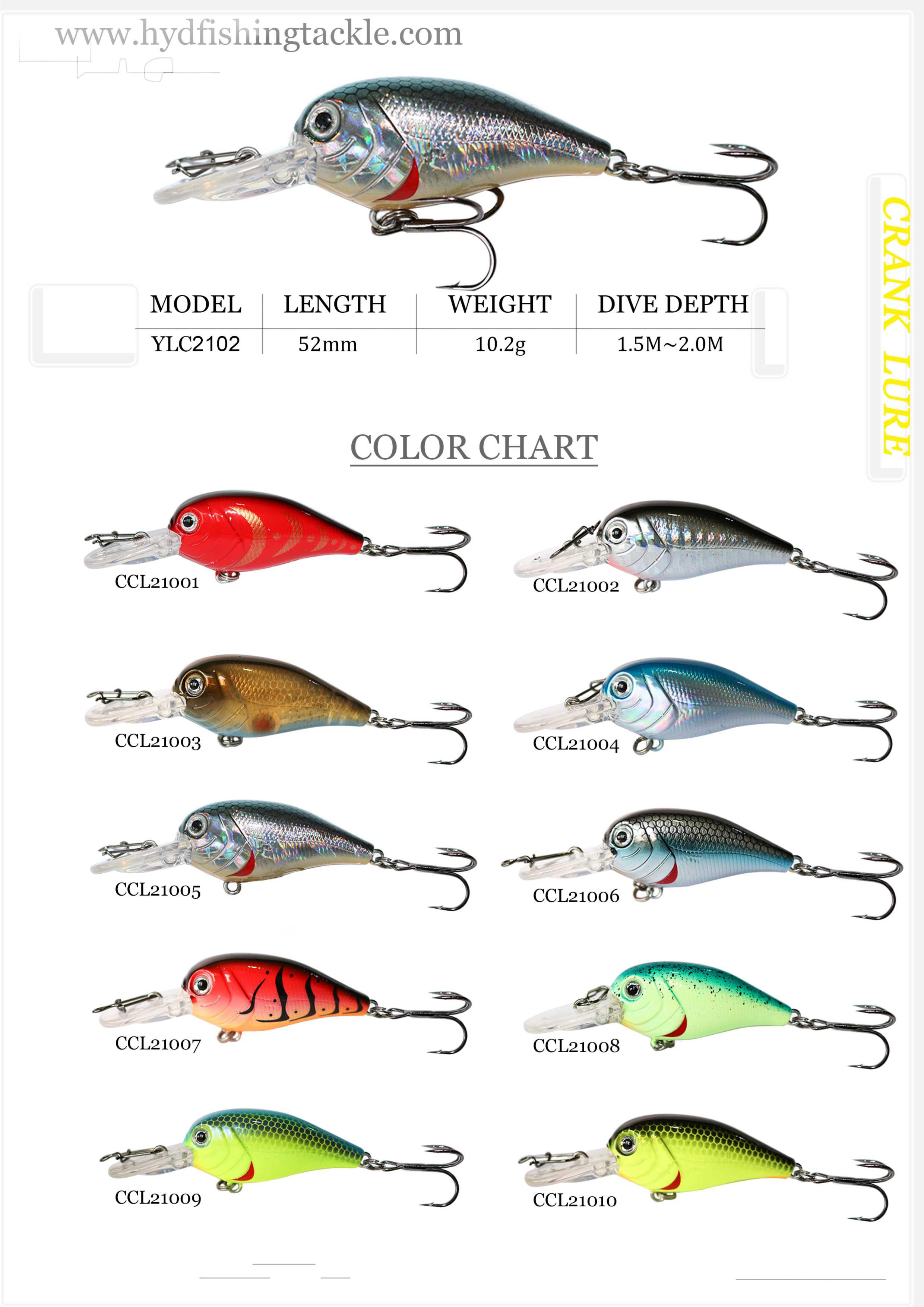
- Size: 1in
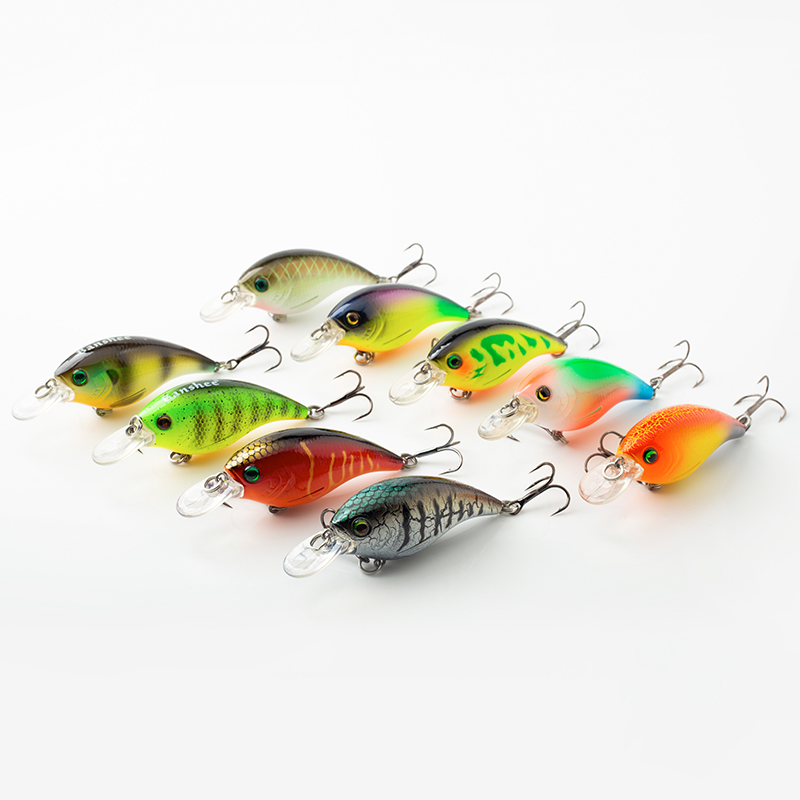
- Color: MIX COLOR
- Material: Other
- Color: Other
- Diving depth(M): Other
- Location: Lake
- Exports to: Russia
About this product
- Size: 1in
- Color: MIX COLOR
- Material: Other
- Color: Other
- Diving depth(M): Other
- Location: Lake
- Exports to: Russia
Product details
| Size | 1in |
|---|---|
| Color | MIX COLOR |
| Material | Other |
| Color | Other |
| Diving depth(M) | Other |
| Location | Lake |
| Fish | Other |
From the supplier
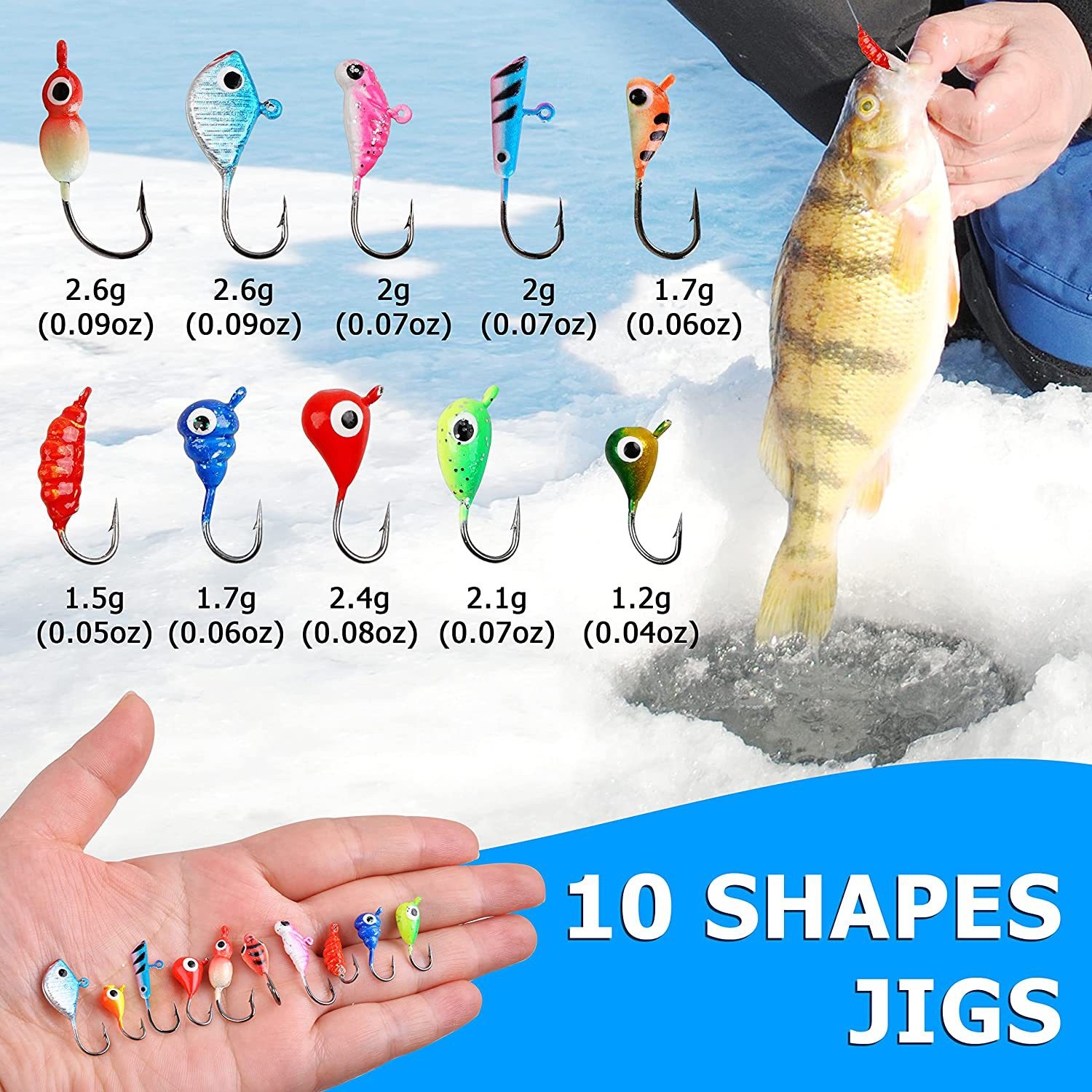
Here is an introduction to ice fishing hooks and baits:
Characteristics of Ice Fishing Hooks
• Diverse Hook Types: There are various hook types such as sleeve hooks and Iseni hooks. Sleeve hooks have thin hook shanks and light weights, making them suitable for catching small ice fish species, like lenok fish and crucian carp. Iseni hooks have wide hook gates and thick hook shanks, which can withstand greater pulling forces and are often used for catching larger fish species such as carp and grass carp.
• Special Materials: They are usually made of high-strength stainless steel or carbon steel, which are resistant to low temperatures and corrosion. They are not easy to rust in the humid environment under the ice, ensuring the strength and toughness of the fishing hooks.
• Eye-catching Colors: Some ice fishing hooks are in bright colors, such as red and yellow. These colors are more easily visible to fish in the water under the ice, increasing the bite rate.
Baits Used with Ice Fishing Hooks
• Live Baits: Commonly used live baits include bloodworms and earthworms. Bloodworms are rich in protein and can remain alive in the water. Their wriggling state is very attractive to fish under the ice. Earthworms have a strong smell and can survive for a relatively long time in low-temperature environments, making them classic live baits for ice fishing.
• Commercial Baits: There are various formulated commercial baits for different fish species. For example, commercial baits for catching crucian carp are mostly in fishy and fragrant flavors, containing ingredients such as shrimp meal and fish meal. Commercial baits for catching carp pay more attention to the combination of cereal fragrance and fishy smell, which can emit an odor under the ice and attract fish to forage.
• Homemade Baits: Anglers often make some homemade baits. For example, they mix cornmeal, soybean cake powder, etc., and add an appropriate amount of shrimp meal, honey, etc. to make baits with different flavors to meet the taste needs of different ice fishing fish species.
Fishing Techniques
• Precisely Find the Fish Layer: During ice fishing, it is necessary to find the water layer where the fish are located through exploration. You can start from a relatively shallow water layer and gradually search downwards until you find the fish bite. Generally speaking, in winter, fish will gather in the water layer with relatively stable water temperature, and the inhabiting water layers of different fish species also vary.
• Lift Gently and Lower Slowly: After putting the ice fishing hook and bait into the ice hole, gently lift the fishing rod to make the bait move up and down rhythmically in the water, simulating the movement of live bait to attract fish to bite. The amplitude of lifting the rod should not be too large, and the speed should be slow to avoid disturbing the fish.
• Be Patient: The activity of fish is relatively low during ice fishing, and the frequency of biting is not high, which requires anglers to have enough patience. After putting the bait into the water, wait quietly and pay attention to observing the movement of the float. Once there is a slight movement, promptly determine whether the fish has bitten the hook and then decide whether to lift the rod.
About the supplier
- ✓Exhibited at 3 recent Canton Fairs
- ✓Manufacturer
- ✓Founded 2009
- ✓Canton Fair Premium Supplier
- ✓National high-tech enterprise
- Exhibited at 3 recent Canton Fairs
- Manufacturer
- Founded 2009
- Canton Fair Premium Supplier
Similar products from other suppliers
Add a few to compare, then request quotes from all of them at once.