The supplier hasn’t listed a price. We can get their current prices and MOQ.
Verify from $29 · written report in 3 business days · 100% refund if not satisfied
The supplier hasn’t listed a price. We can get their current prices and MOQ.
Verify from $29 · written report in 3 business days · 100% refund if not satisfied
About this product
- Size: 30cm
- Color: silvery
- Certification: RoHSOther
- Material: FRPOther
- Exports to: Middle East, Central Asia, EU, Other European Countries
About this product
- Size: 30cm
- Color: silvery
- Certification: RoHSOther
- Material: FRPOther
- Exports to: Middle East, Central Asia, EU, Other European Countries
Product details
| Size | 30cm |
|---|---|
| Color | silvery |
| Certification | RoHSOther |
| Material | FRPOther |
Product details
| Size | 30cm |
|---|---|
| Color | silvery |
| Certification | RoHSOther |
| Material | FRPOther |
From the supplier
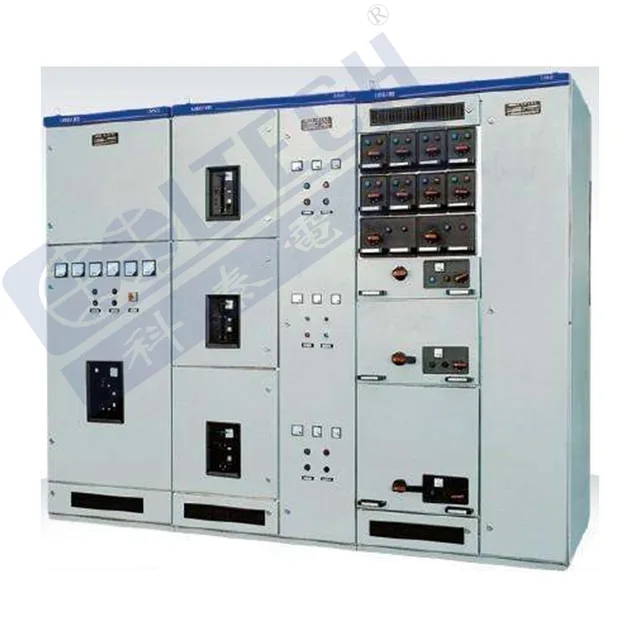
Transmission equipment refers to various devices in the power system that are responsible for efficiently and safely transporting the electrical energy generated by power plants to substations or power consumption areas. It is the core link connecting the power generation end and the distribution end, mainly divided into primary equipment (directly involved in power transmission) and secondary equipment (ensuring system monitoring and protection).
Classification and functions of core equipment
1. Primary device (main device)
-Transmission lines: Core transmission carriers, divided into overhead lines and cable lines.
-Overhead power lines: composed of wires, towers, insulators, fittings, etc., with low cost and easy maintenance, widely used for long-distance high-voltage transmission (such as 220kV and 500kV lines).
-Cable line: composed of cables and cable accessories (joints, terminals), it occupies less land and is less affected by the environment. It is mostly used in urban power grids or underground and underwater transmission scenarios.
-High voltage circuit breaker: used to connect or disconnect high voltage circuits under normal/fault conditions, with arc extinguishing capability, and is a "switch" to ensure the safety of the transmission system. Common types include SF6 circuit breakers and vacuum circuit breakers.
-High voltage isolation switch: without arc extinguishing capability, mainly used for isolating voltage during maintenance to ensure the safety of workers, usually used in conjunction with circuit breakers.
-Transformers: divided into voltage transformers (PT) and current transformers (CT), used to convert high voltage and high current into low voltage (such as 100V) and low current (such as 5A) in proportion, supplying secondary equipment for measurement or protection, avoiding direct connection of high voltage/high current to instruments.
-Lightning arrester: installed at the entrance of transmission lines and substation equipment, used to limit overvoltage caused by lightning or operation, protect equipment insulation from breakdown, and common types include zinc oxide lightning arrester.
2. Secondary equipment (auxiliary equipment)
-Relay protection device: When there is a short circuit, overload or other fault in the transmission system, it can quickly detect and issue instructions to trip the circuit breaker, cut off the faulty line, prevent the accident from expanding, and ensure system stability.
-Measurement and control device: Real time collection of operational data such as voltage, current, and power of transmission lines, uploaded to the monitoring system for dispatch personnel to monitor equipment status and achieve remote operation.
-Communication equipment: such as fiber optic communication modules and microwave communication equipment, used to transmit signals and dispatch instructions from secondary equipment, ensuring the "information exchange" of the power transmission system.
Core Features and Functions
-High reliability: The equipment needs to withstand long-term high voltage, high current, as well as external environmental influences such as wind blowing, lightning strikes, and temperature changes
From the supplier
Transmission equipment refers to various devices in the power system that are responsible for efficiently and safely transporting the electrical energy generated by power plants to substations or power consumption areas. It is the core link connecting the power generation end and the distribution end, mainly divided into primary equipment (directly involved in power transmission) and secondary equipment (ensuring system monitoring and protection).
Classification and functions of core equipment
1. Primary device (main device)
-Transmission lines: Core transmission carriers, divided into overhead lines and cable lines.
-Overhead power lines: composed of wires, towers, insulators, fittings, etc., with low cost and easy maintenance, widely used for long-distance high-voltage transmission (such as 220kV and 500kV lines).
-Cable line: composed of cables and cable accessories (joints, terminals), it occupies less land and is less affected by the environment. It is mostly used in urban power grids or underground and underwater transmission scenarios.
-High voltage circuit breaker: used to connect or disconnect high voltage circuits under normal/fault conditions, with arc extinguishing capability, and is a "switch" to ensure the safety of the transmission system. Common types include SF6 circuit breakers and vacuum circuit breakers.
-High voltage isolation switch: without arc extinguishing capability, mainly used for isolating voltage during maintenance to ensure the safety of workers, usually used in conjunction with circuit breakers.
-Transformers: divided into voltage transformers (PT) and current transformers (CT), used to convert high voltage and high current into low voltage (such as 100V) and low current (such as 5A) in proportion, supplying secondary equipment for measurement or protection, avoiding direct connection of high voltage/high current to instruments.
-Lightning arrester: installed at the entrance of transmission lines and substation equipment, used to limit overvoltage caused by lightning or operation, protect equipment insulation from breakdown, and common types include zinc oxide lightning arrester.
2. Secondary equipment (auxiliary equipment)
-Relay protection device: When there is a short circuit, overload or other fault in the transmission system, it can quickly detect and issue instructions to trip the circuit breaker, cut off the faulty line, prevent the accident from expanding, and ensure system stability.
-Measurement and control device: Real time collection of operational data such as voltage, current, and power of transmission lines, uploaded to the monitoring system for dispatch personnel to monitor equipment status and achieve remote operation.
-Communication equipment: such as fiber optic communication modules and microwave communication equipment, used to transmit signals and dispatch instructions from secondary equipment, ensuring the "information exchange" of the power transmission system.
Core Features and Functions
-High reliability: The equipment needs to withstand long-term high voltage, high current, as well as external environmental influences such as wind blowing, lightning strikes, and temperature changes
About the supplier
- ✓Exhibited at 3 recent Canton Fairs
- ✓Industry and Trade Company
- ✓Founded 2012
- ✓Canton Fair Premium Supplier
- ✓National high-tech enterprise
Manufacturing exhibitors show in Phase 1 of the Canton Fair, 15 to 19 October 2026.
- Exhibited at 3 recent Canton Fairs
- Industry and Trade Company
- Founded 2012
- Canton Fair Premium Supplier